
In the heart of Naples’ historic center, the Madre Museum celebrates the boldest visions of the present with a significant collection of site-specific works by major contemporary artists inspired by the city’s most authentic soul.
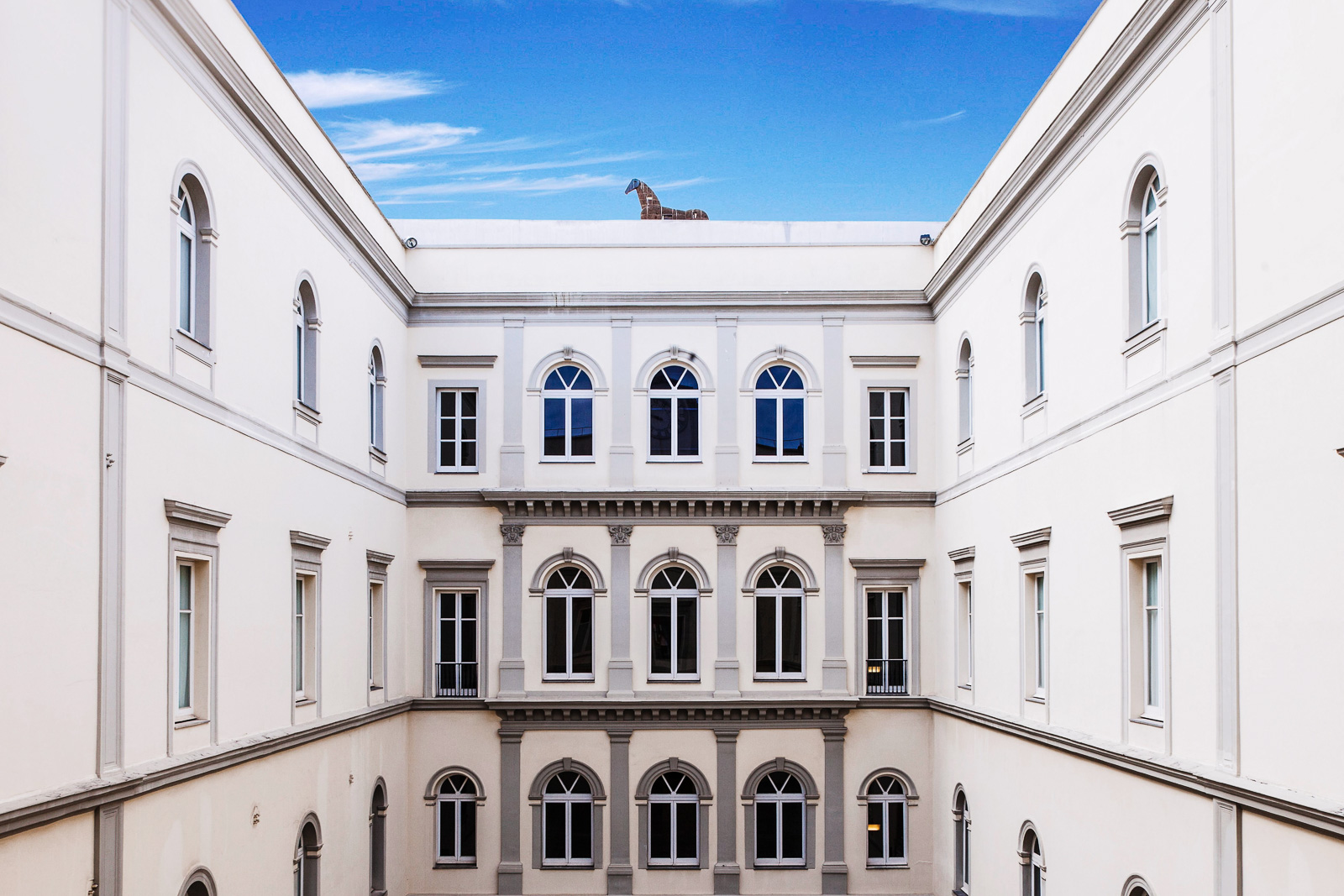
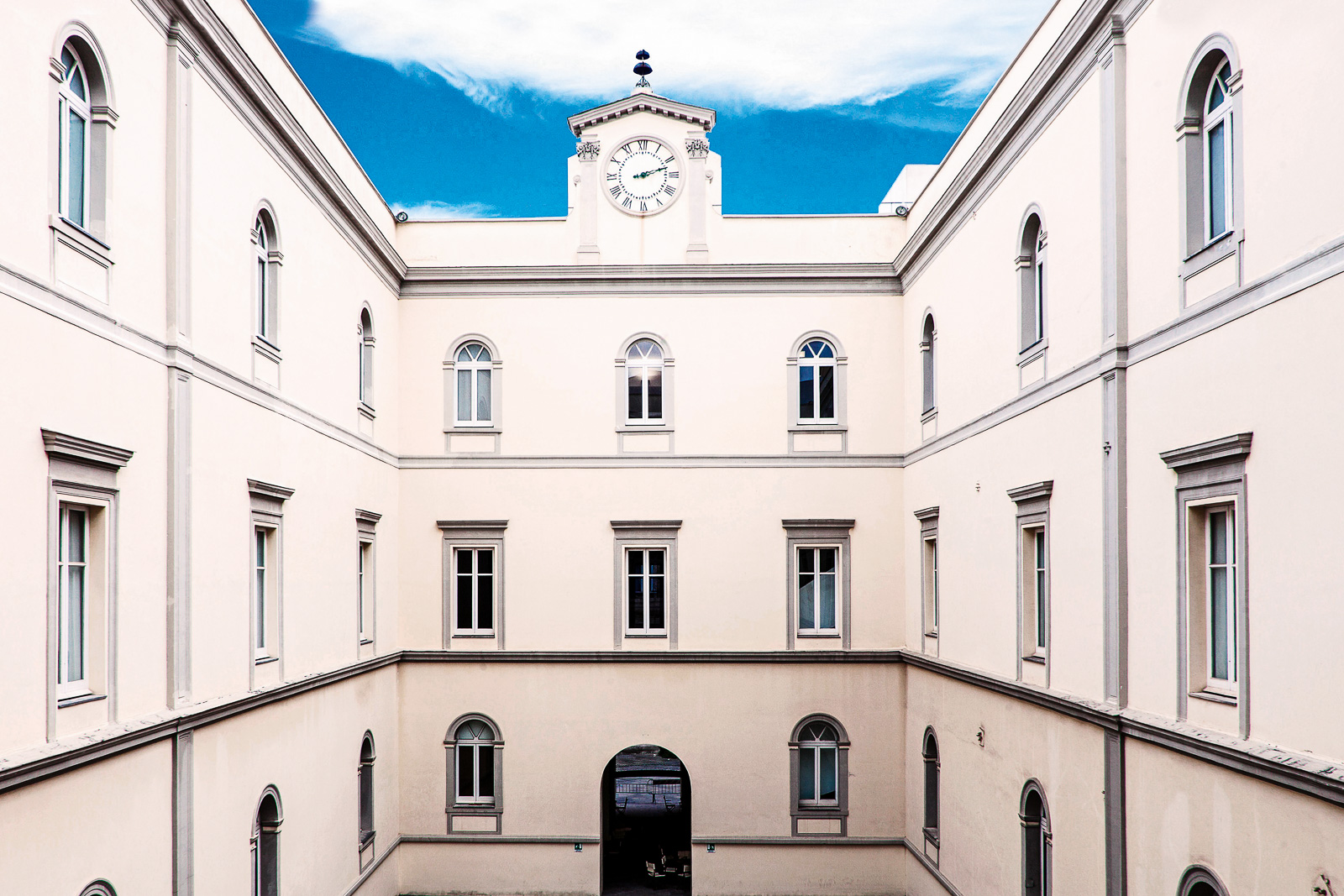
The Madre Museum is housed in the 19th-century Palazzo Donnaregina, named after the church and monastery founded in the 14th century by Queen Mary of Hungary. It is located in the historic heart of Naples, just a few meters from the Duomo, in the ancient San Lorenzo district.
After decades of mixed fortunes, the Campania Region purchased the building in 2005 to transform it into Italy’s first regional museum of contemporary art. Today, it is managed by the Donnaregina Foundation, under the masterful direction of Portuguese architect Álvaro Siza Vieira, who completed its restoration in 2007.


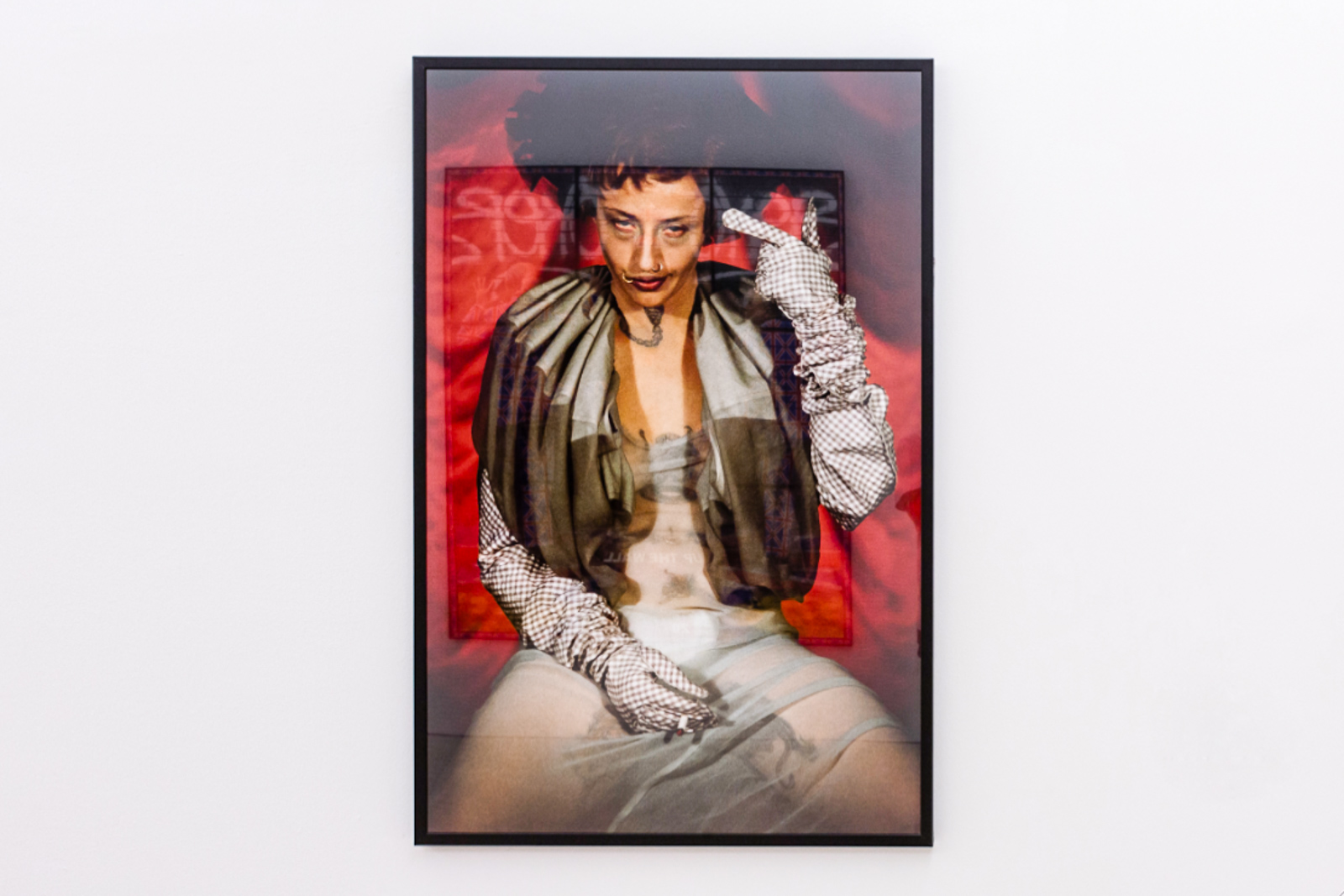
The Madre Museum bears witness to a history that has made Campania a crossroads for all the world’s contemporary arts.
The Collection: Permanent Masterpieces on the First Floor
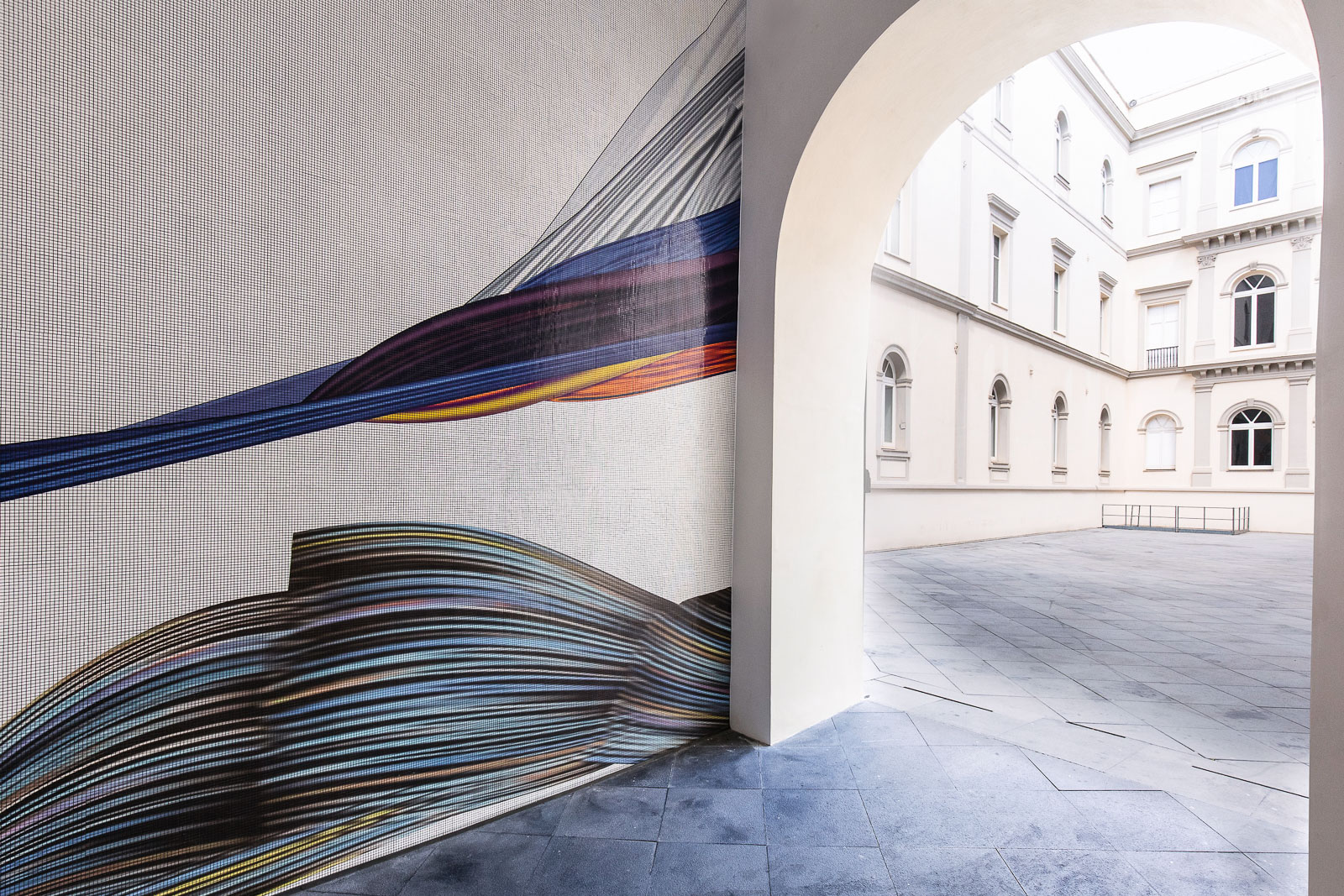
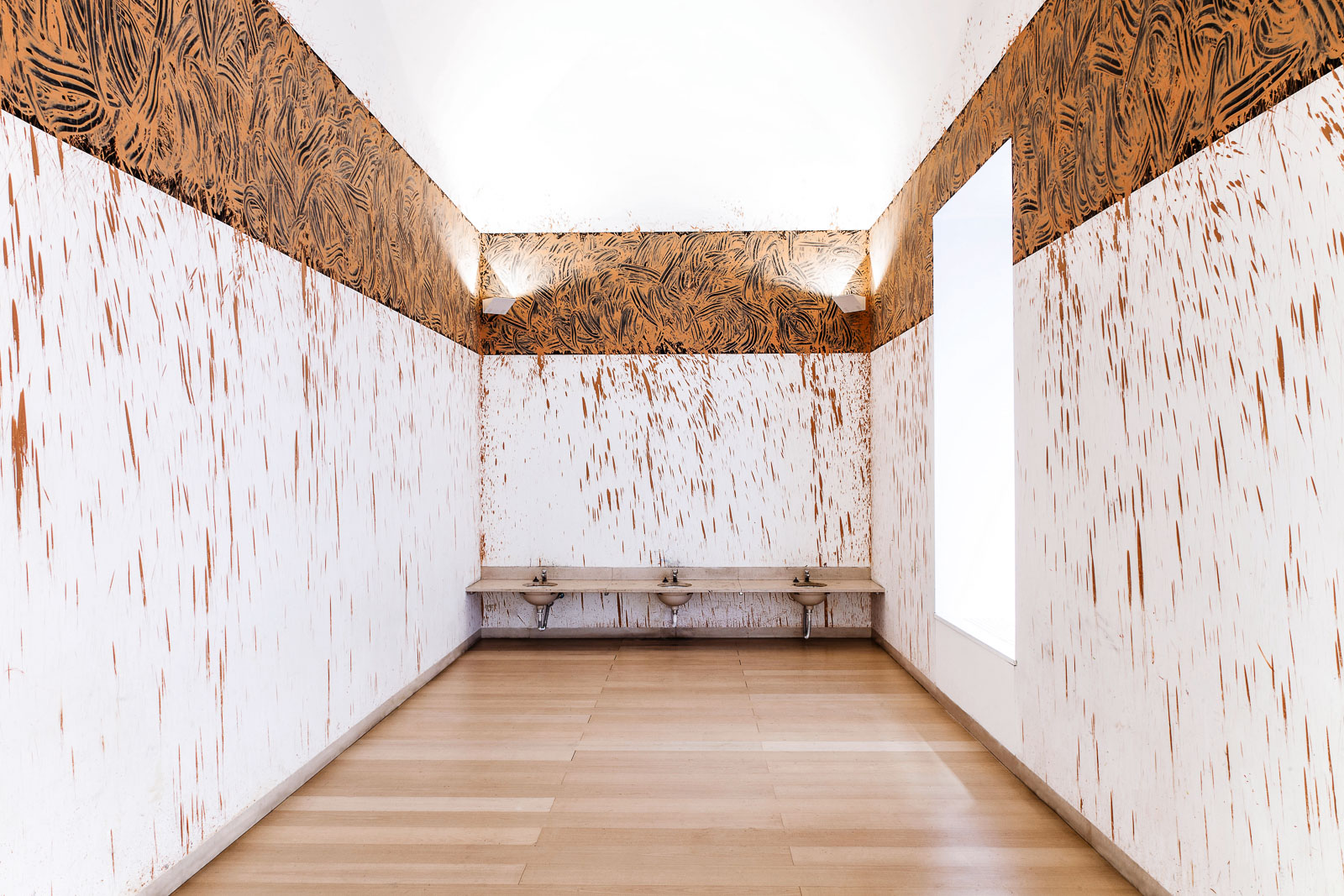
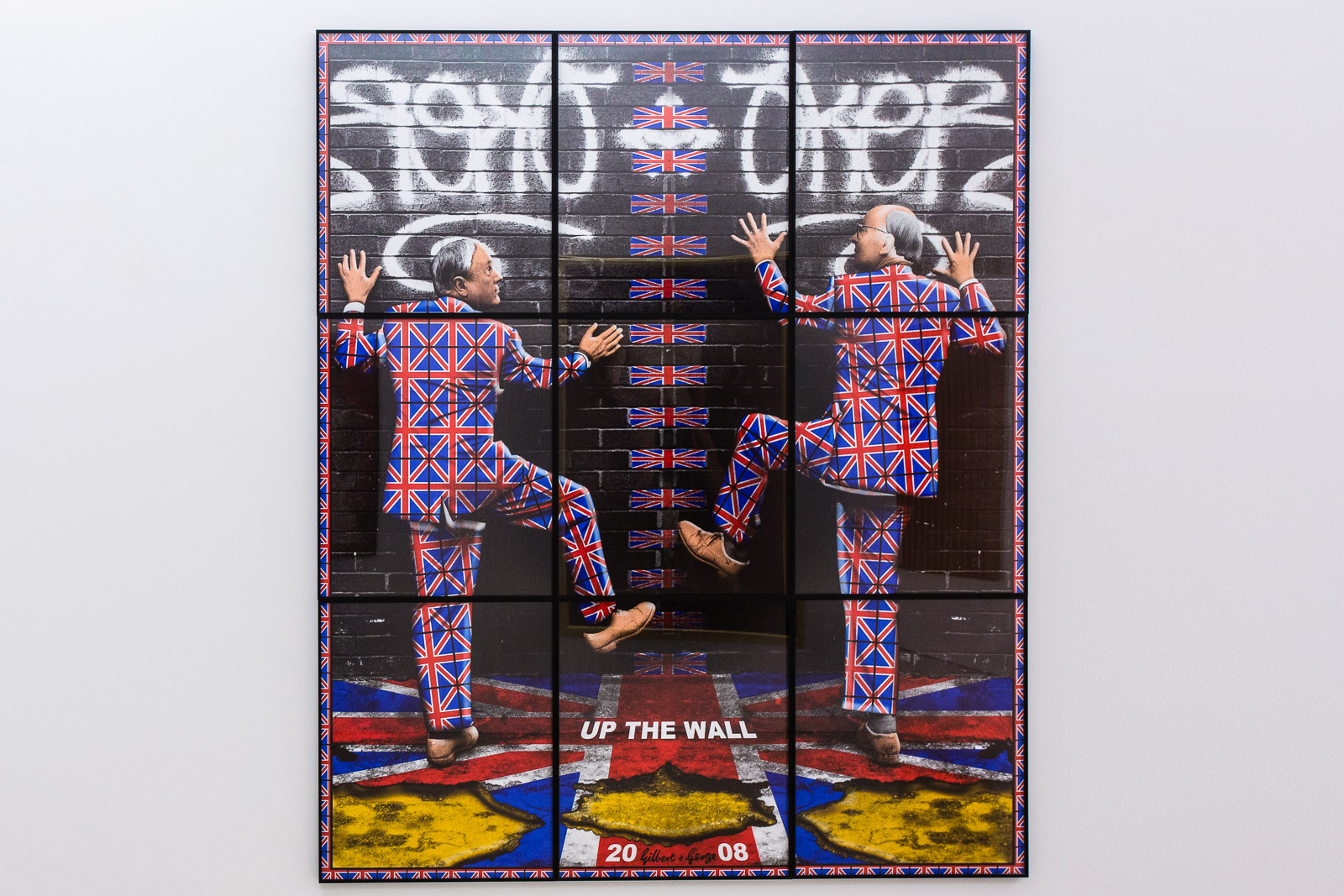
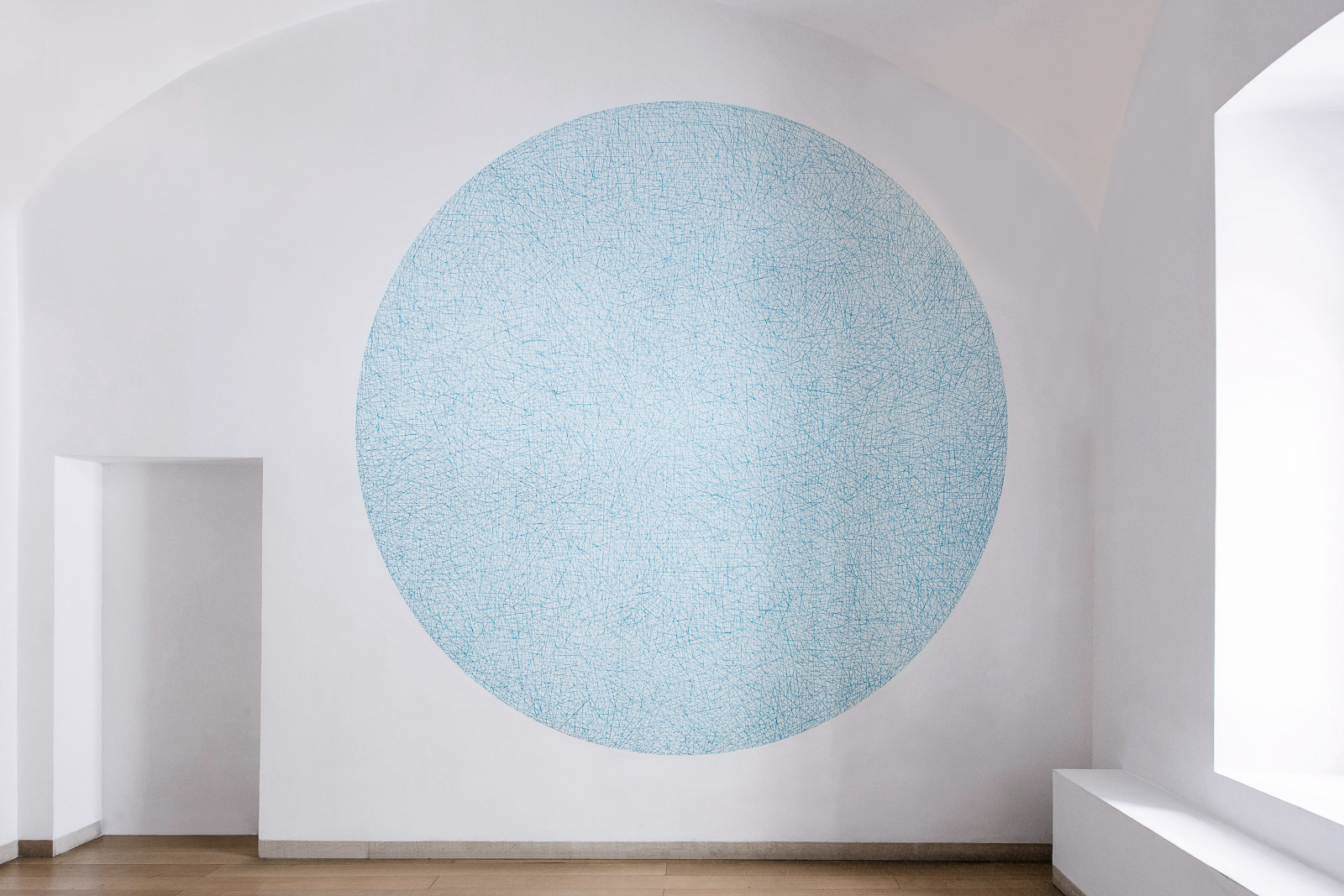
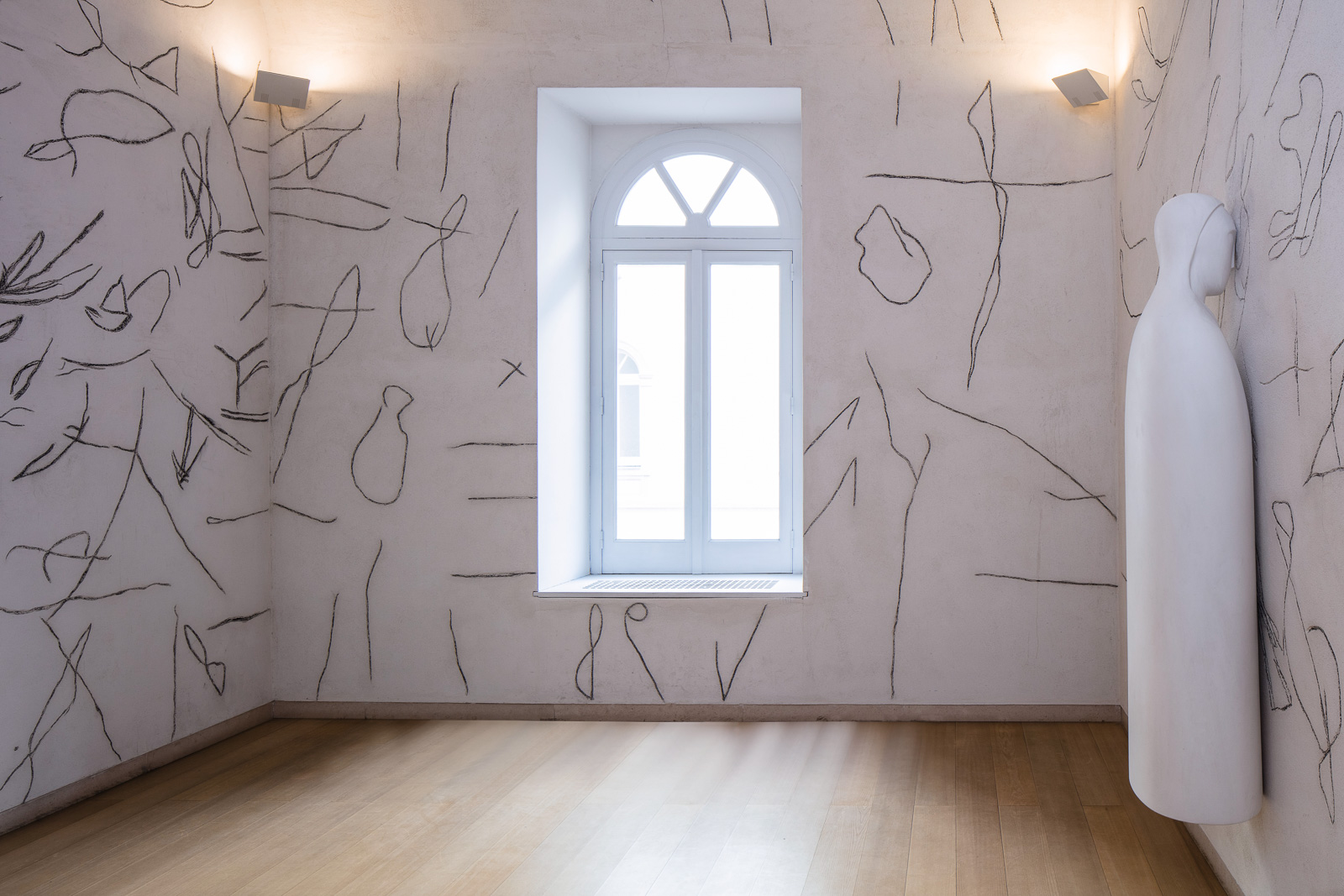
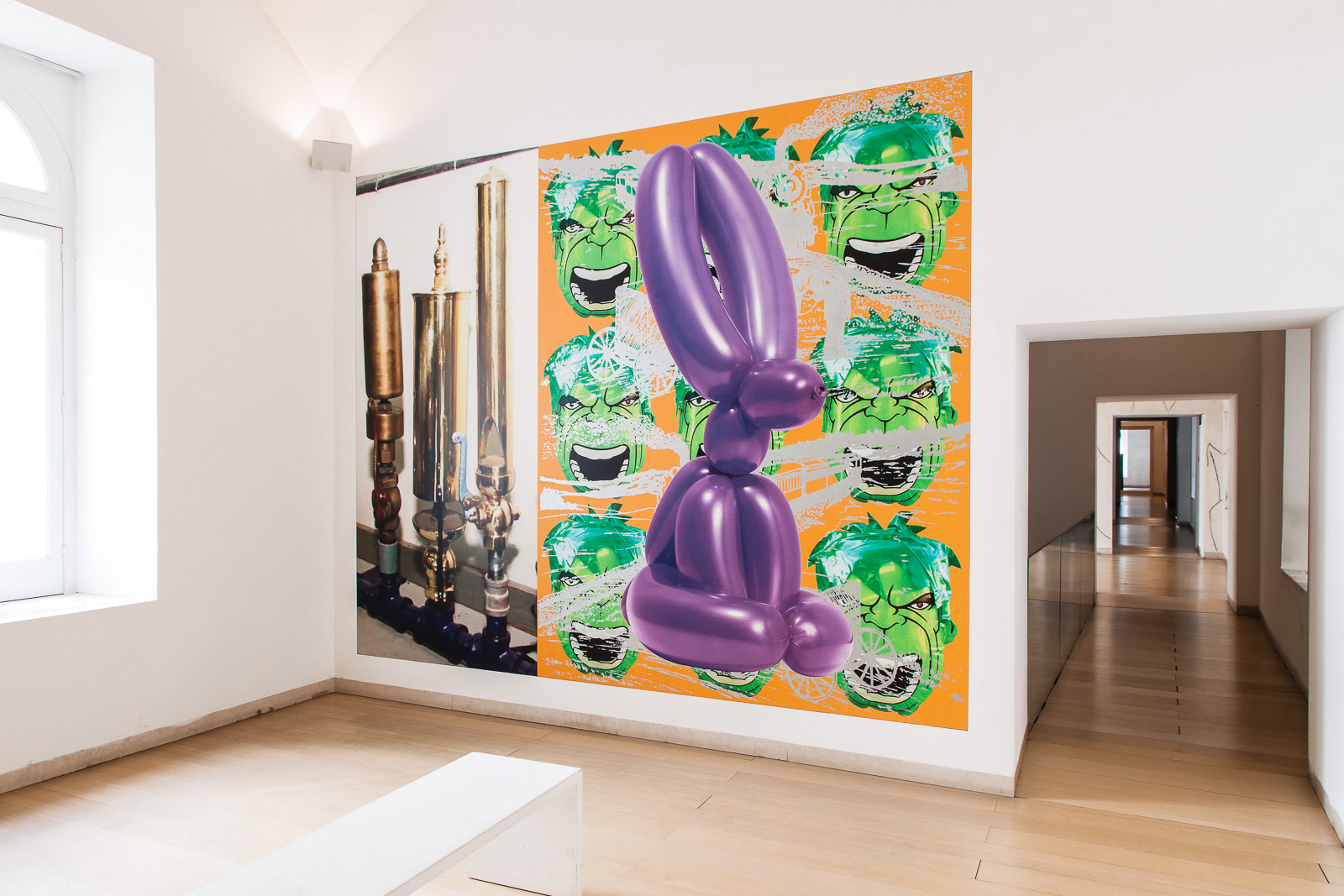
The beating heart of the museum is the first floor, where the works are not simply exhibited, but “inhabit” the space for which they were created. These site-specific works bring the greatest contemporary artists into dialogue with the history of Naples. Among the most notable are:
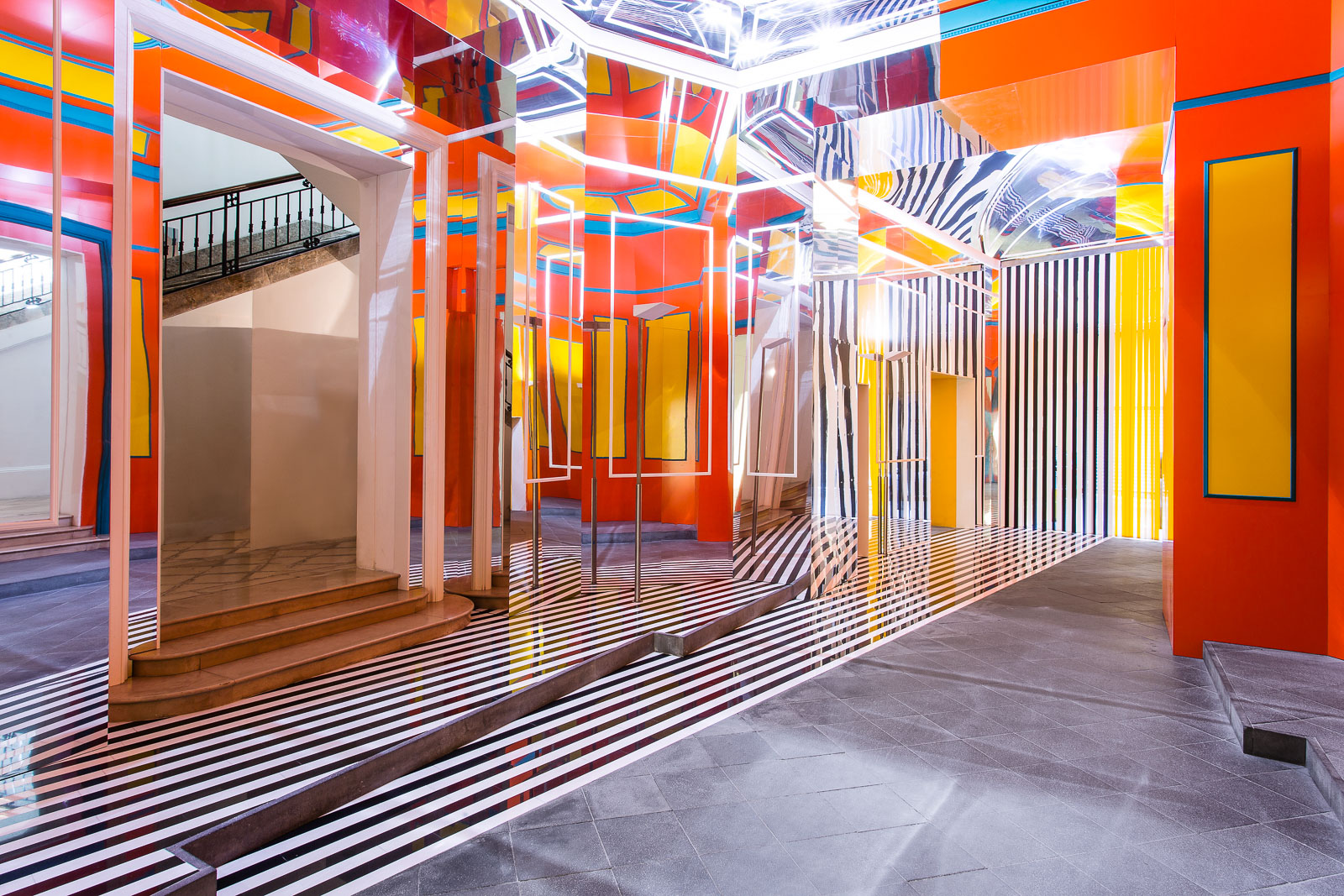
Daniel Buren’s Atrium: Visitors are welcomed by Axer / Désaxer, a work that plays with the French artist’s iconic colored stripes, reconfiguring the spatial perception of the entrance to celebrate the relationship between the museum and its public, between the institution and its community.
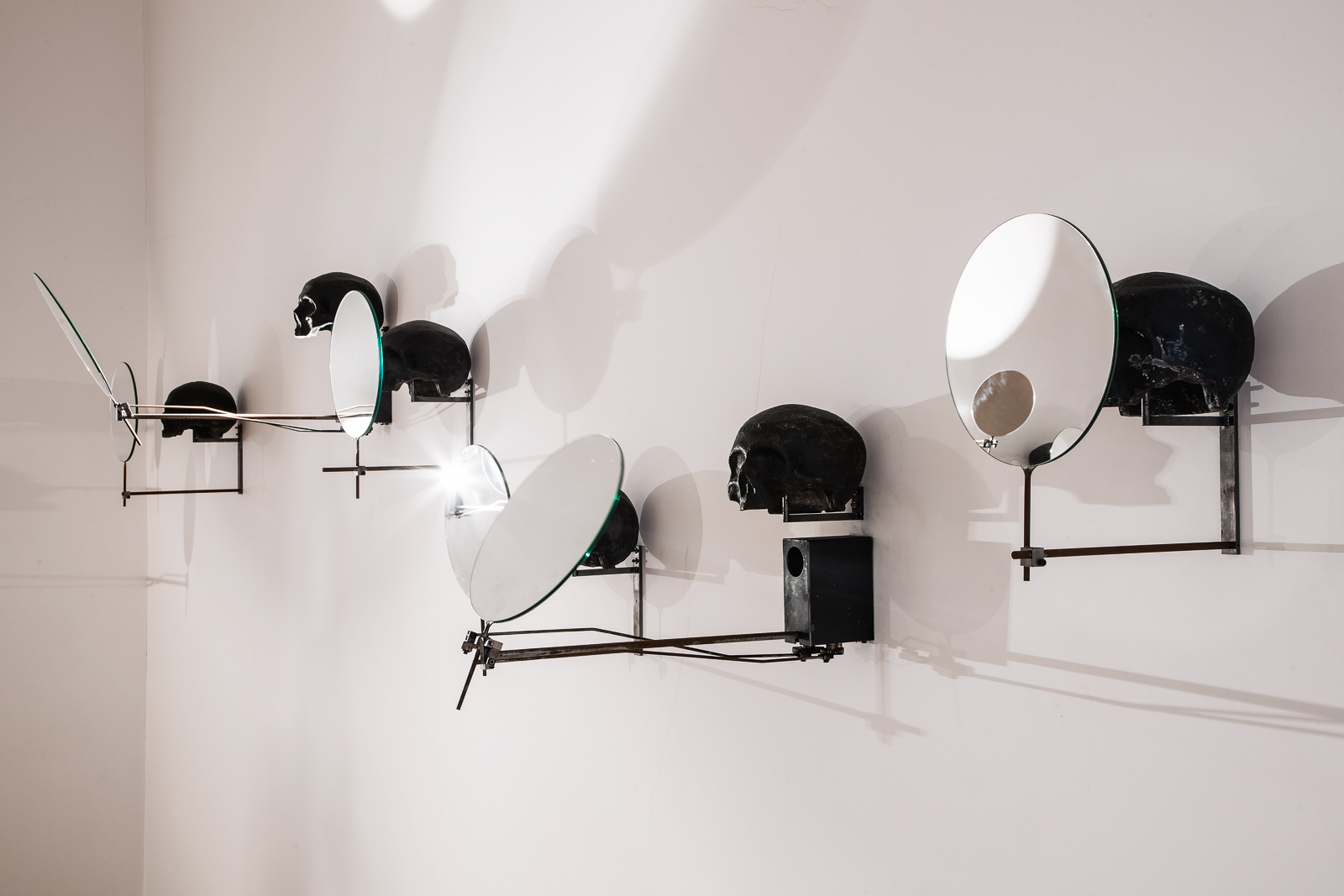
Rebecca Horn and the “Capuzzelle”: In a work deeply rooted in the soul of Naples, the German artist has created an installation featuring cast iron skulls (the capuzzelle) that evokes the cult of the dead typical of the Fontanelle Cemetery, accompanied by the voice of musician Hayden Danyl Chisholm.

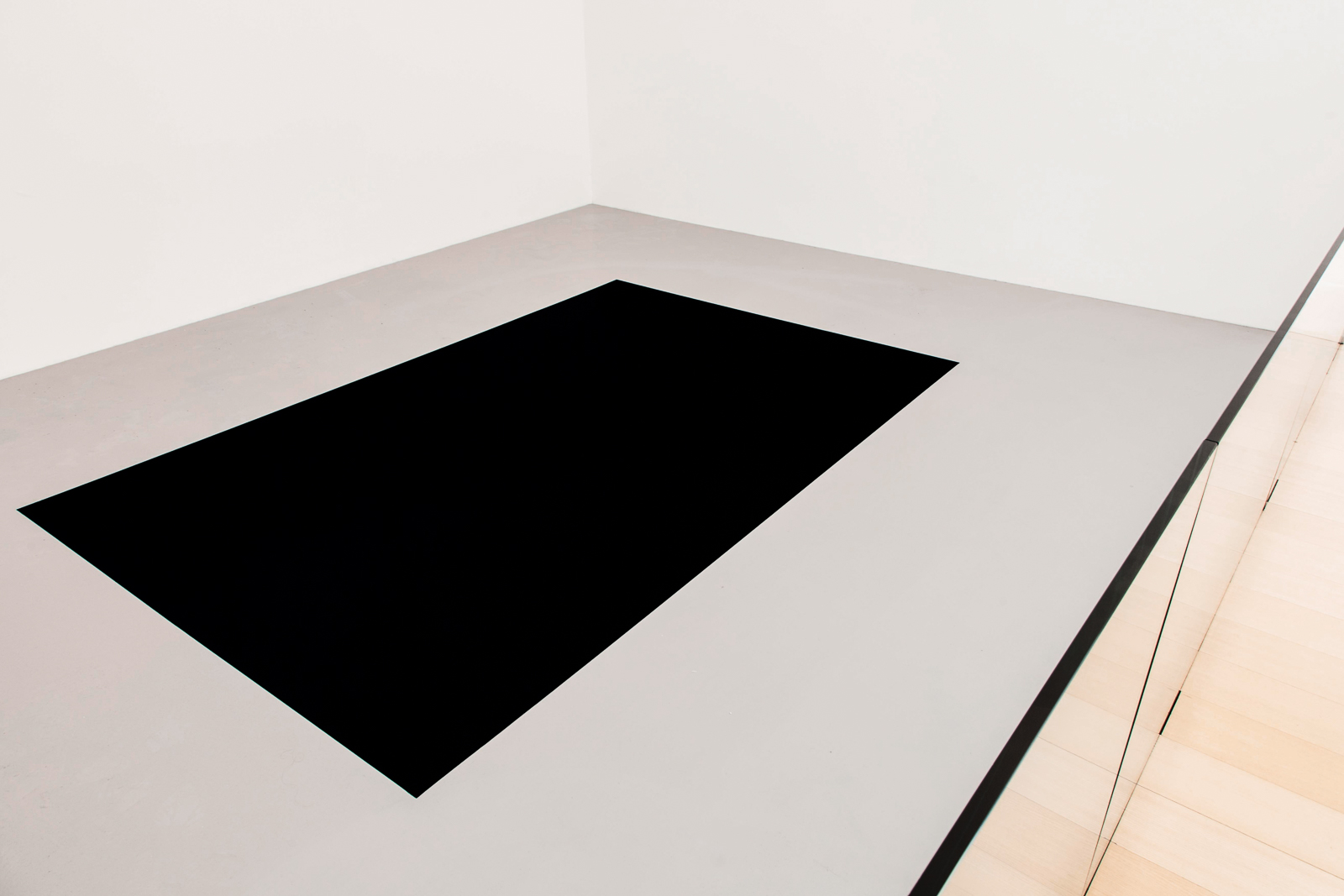
Anish Kapoor: with his iconic Dark Brother, nestled in the room’s floor, creates a powerful sense of disorientation, directing the viewer’s gaze toward the infinite and the bowels of Mother Earth.
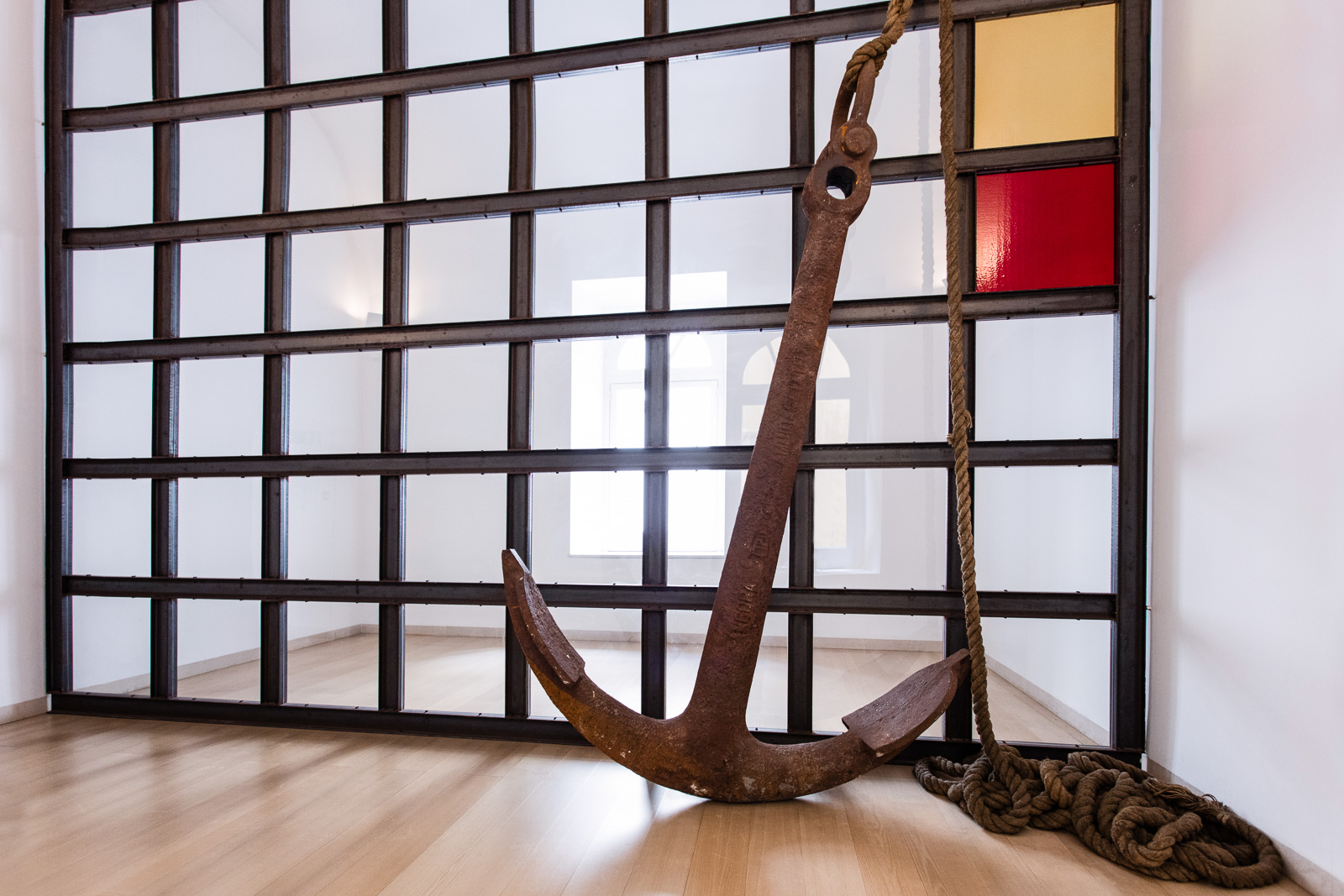
Jannis Kounellis: the room dedicated to him is blocked longitudinally by a large iron structure with a large rusty anchor, creating a series of references to the historical role of Naples’s seafront and its representation in the history of art, both locally and internationally.

The Terrace and Its Iconic Works
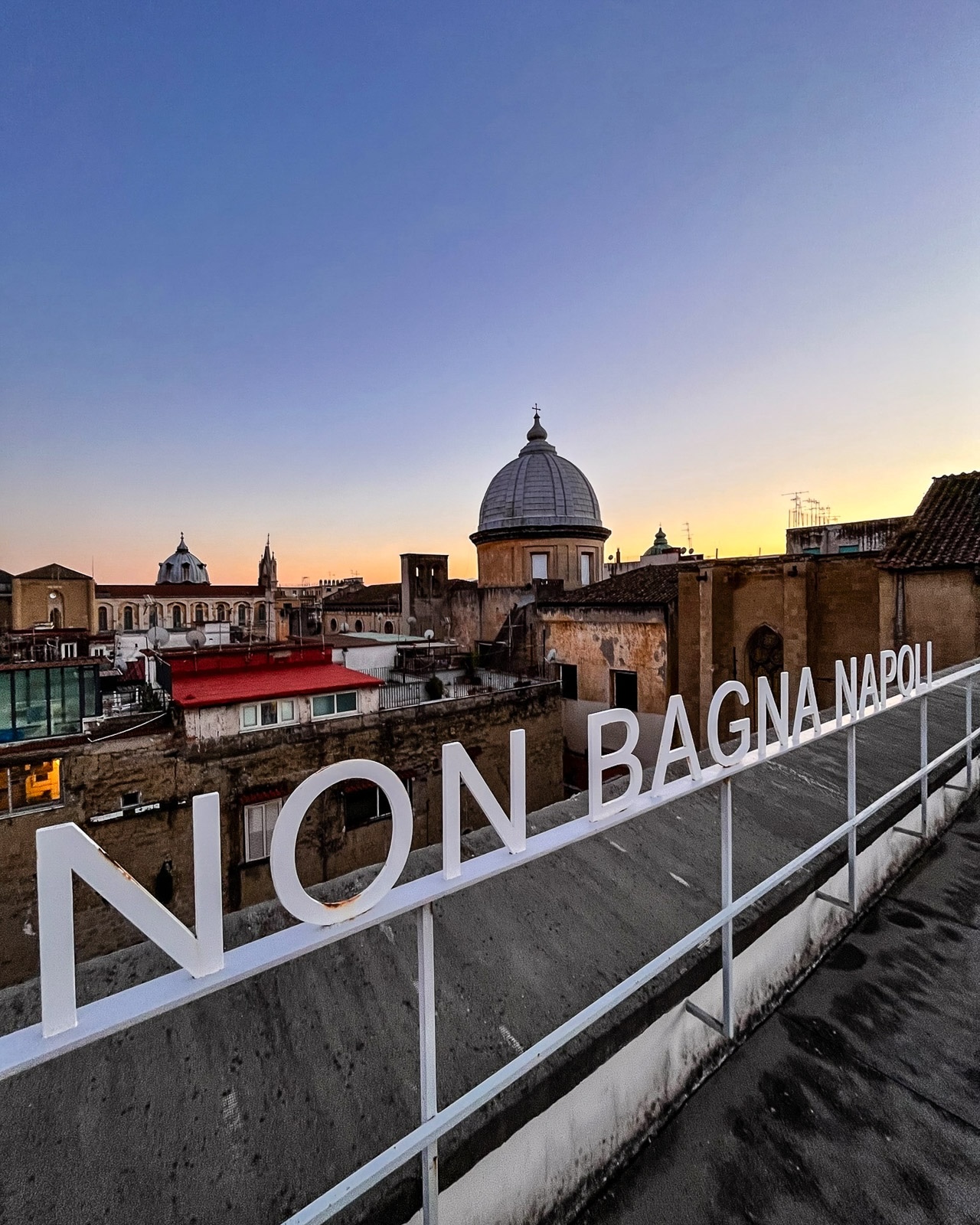
The Museum’s protagonists, also thanks to its fascinating perspective views, are the two works visible from the building’s panoramic terrace (accessible to visitors upon request):
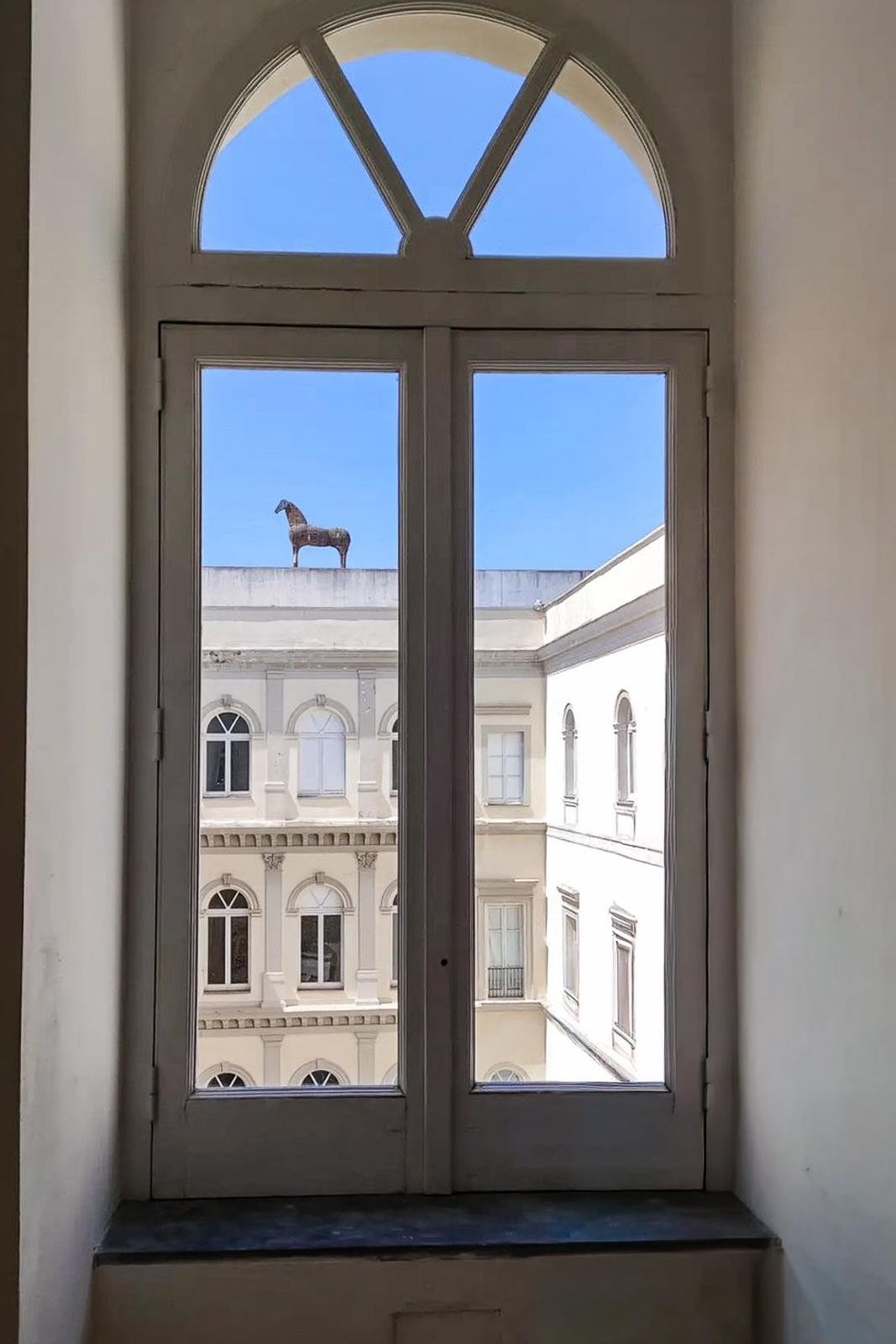
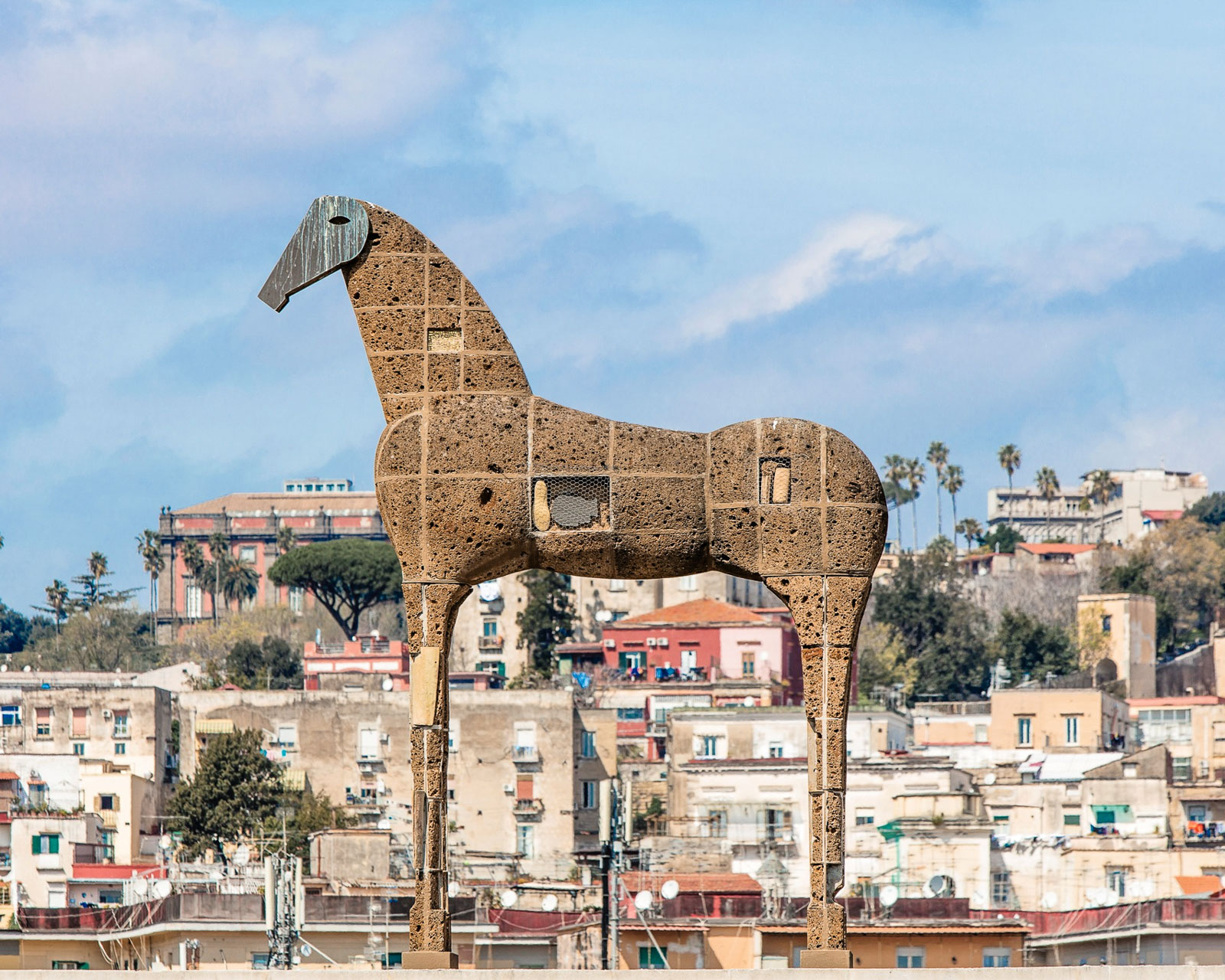
The Horse by Mimmo Paladino: the sculpture’s iconographic subject harks back to an arcane and primitive universe of knights and migrations, travel and war. A world where the Homeric image of the Trojan Horse combines with the funerary stylizations of various cultures that have influenced Naples.
“The Sea Does Not Bathe Naples” by Bianco and Valente: the inscription dominates the surrounding San Lorenzo neighborhood and, right from the title, references the book published by Anna Maria Ortese in 1953, a collection of short stories that critically examines the difficulties, drama, and suffering of postwar Naples.

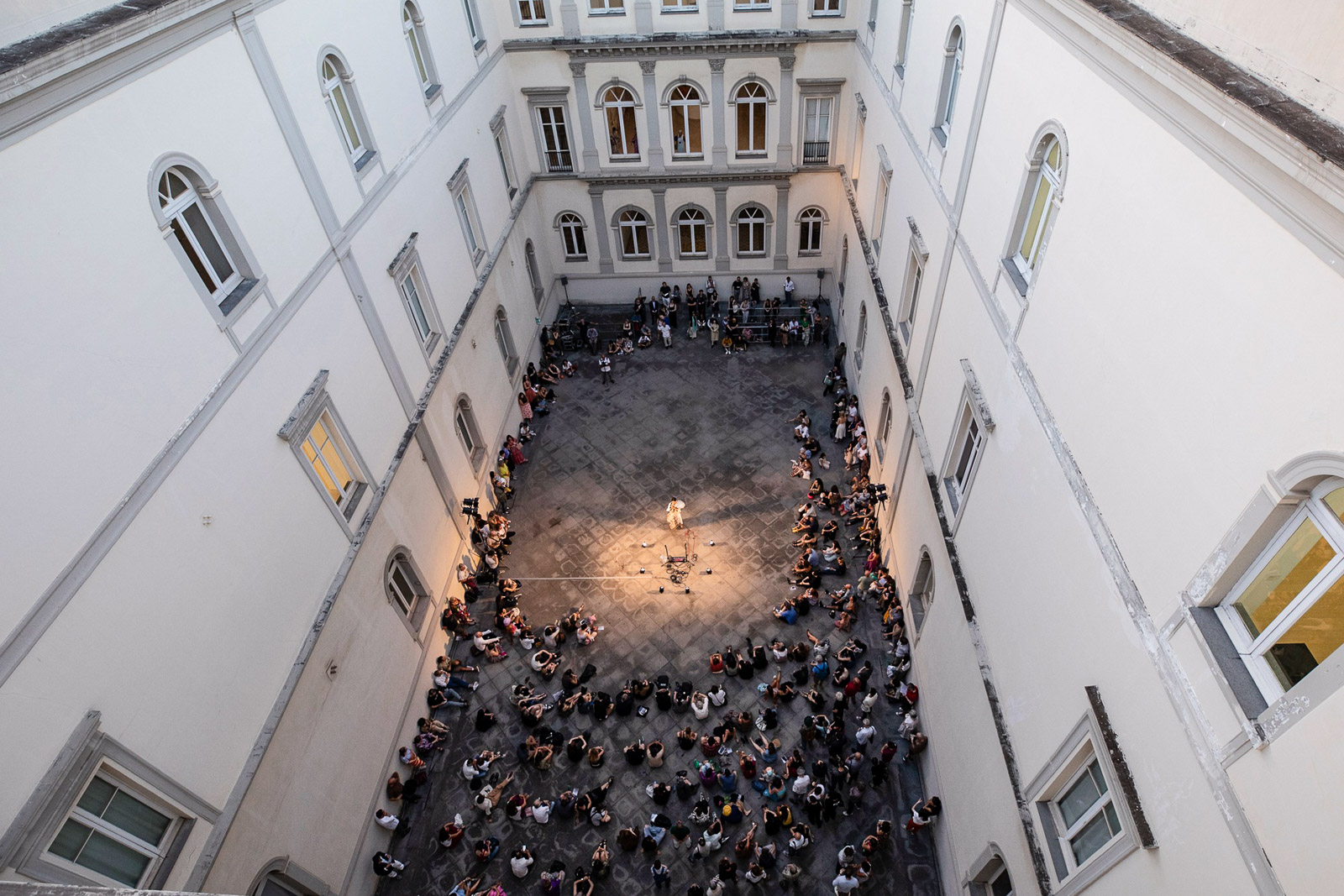
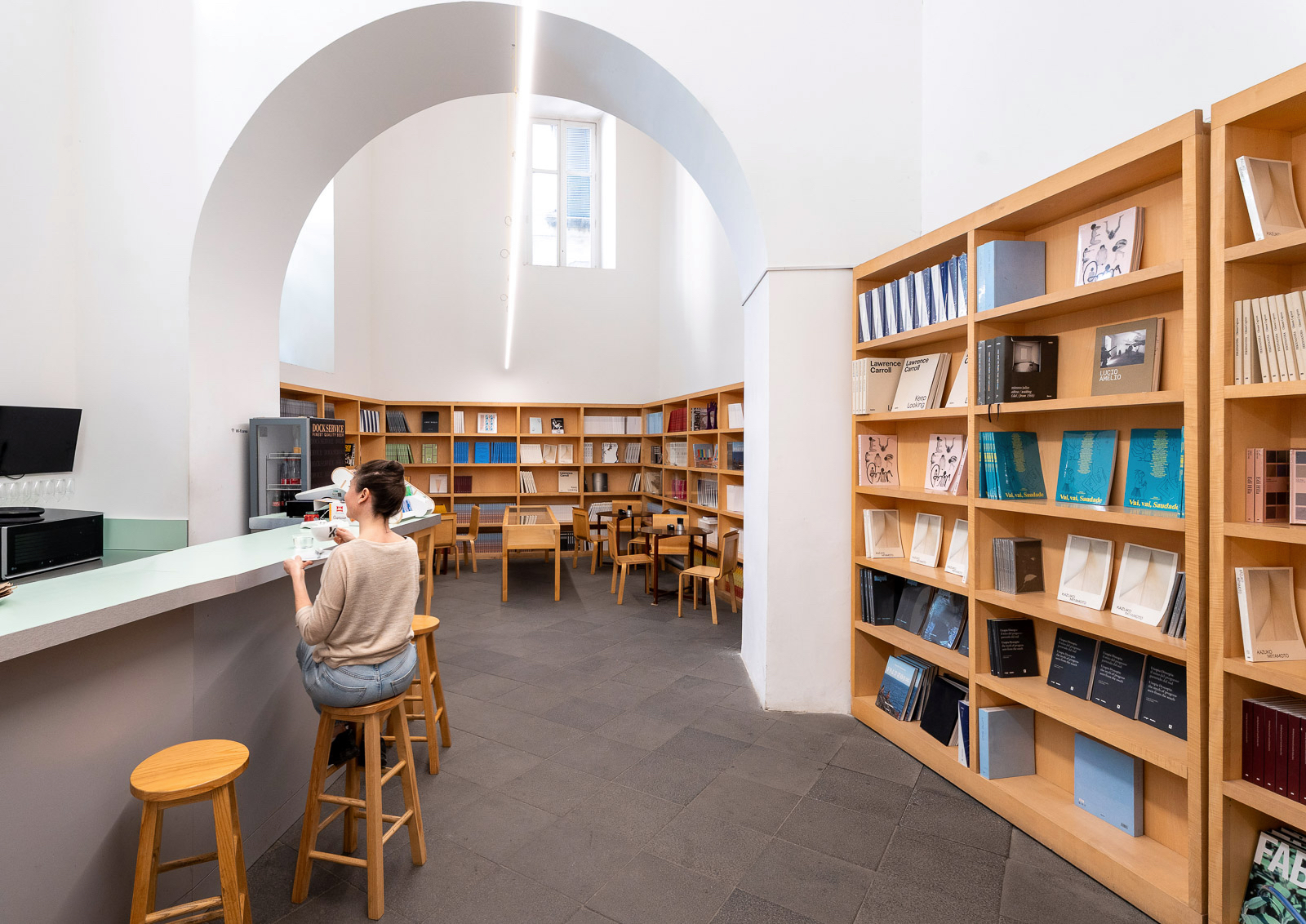
Madre organizes many events and special tours, so you can stay up to date by following its social media. For a cultural break, the museum also hosts a café.
The Secret
The acronym Madre stands for Museo d’Arte Donnaregina REgina; a name that evokes hospitality and the generation of new ideas, a museum that constantly “gives birth” to culture.
Useful Info
Museo Madre
Via Settembrini 79
80139 Napoli
Tel. +39 081 19528498
Ticket: 8 euro