Certosa di San Giacomo
The oldest complex in Capri, home to the treasures of the Roman emperors Augustus and Tiberius
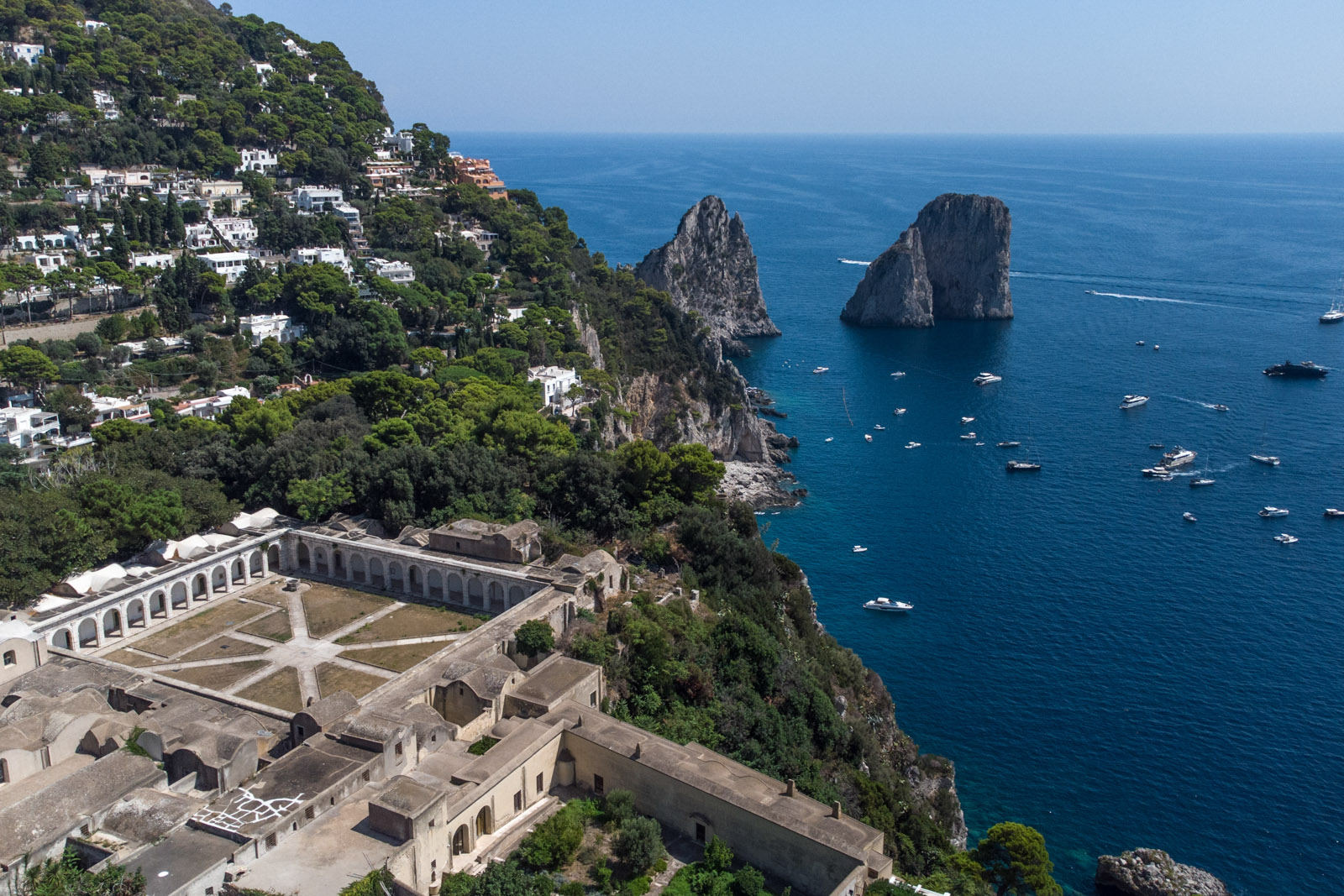
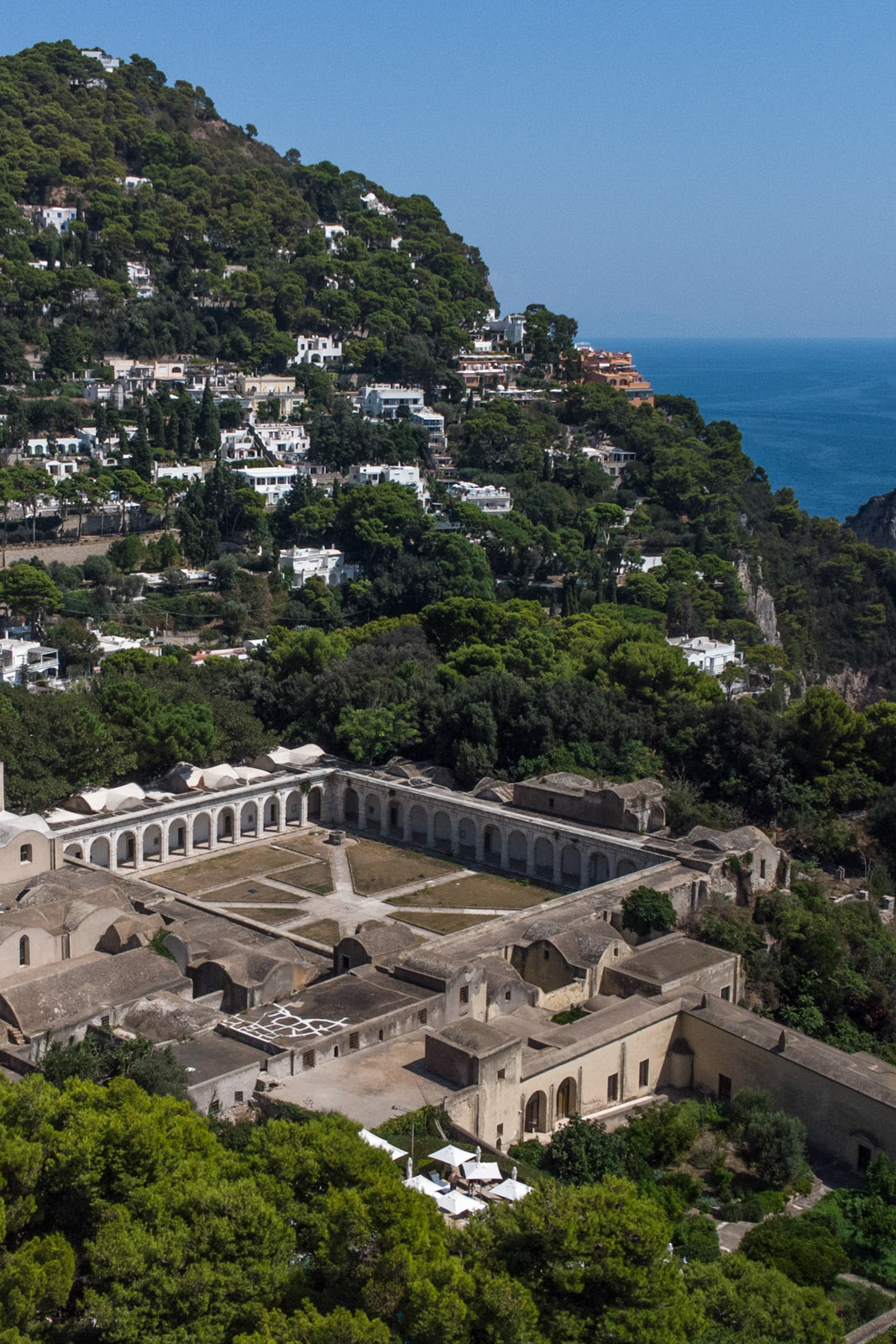
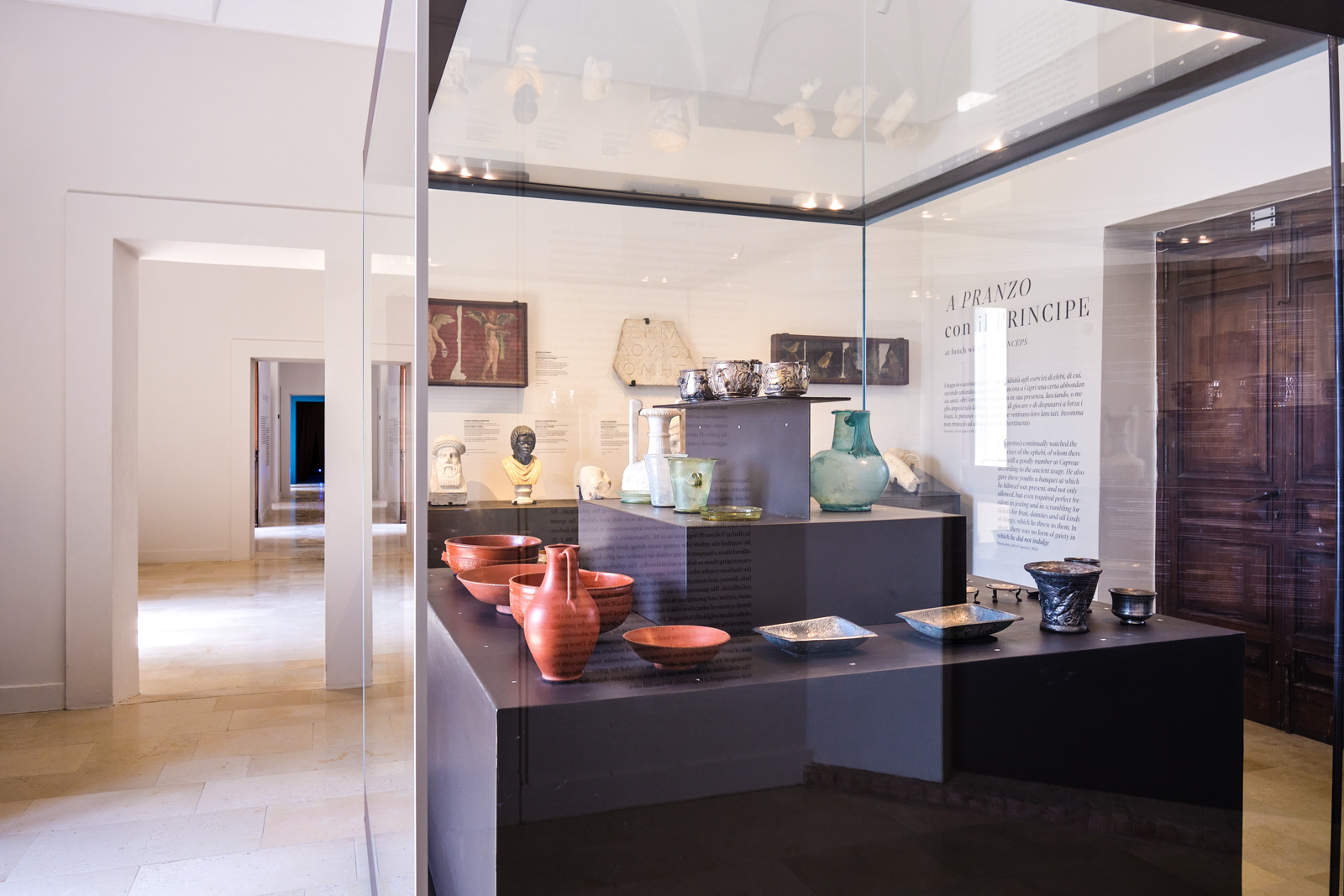
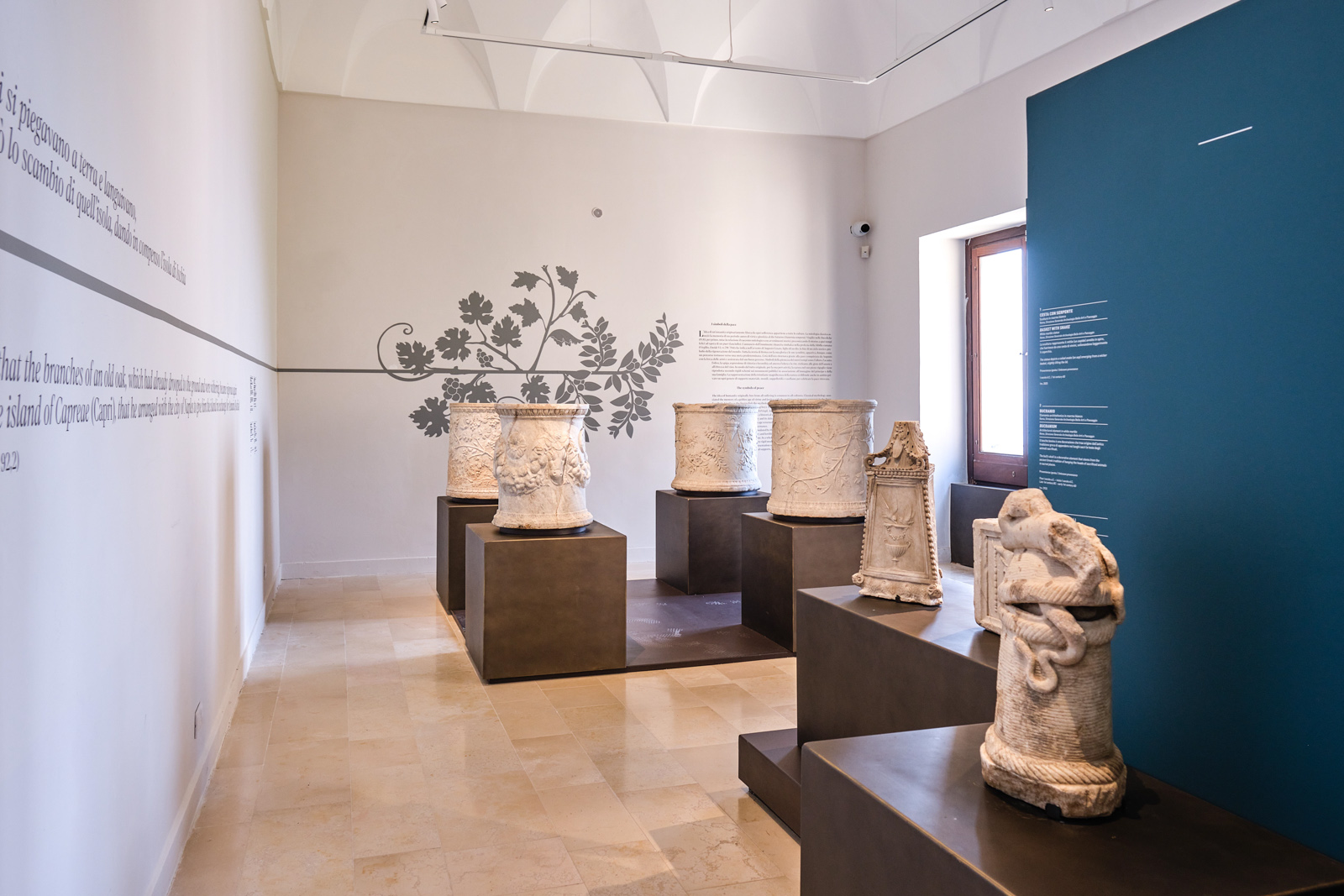
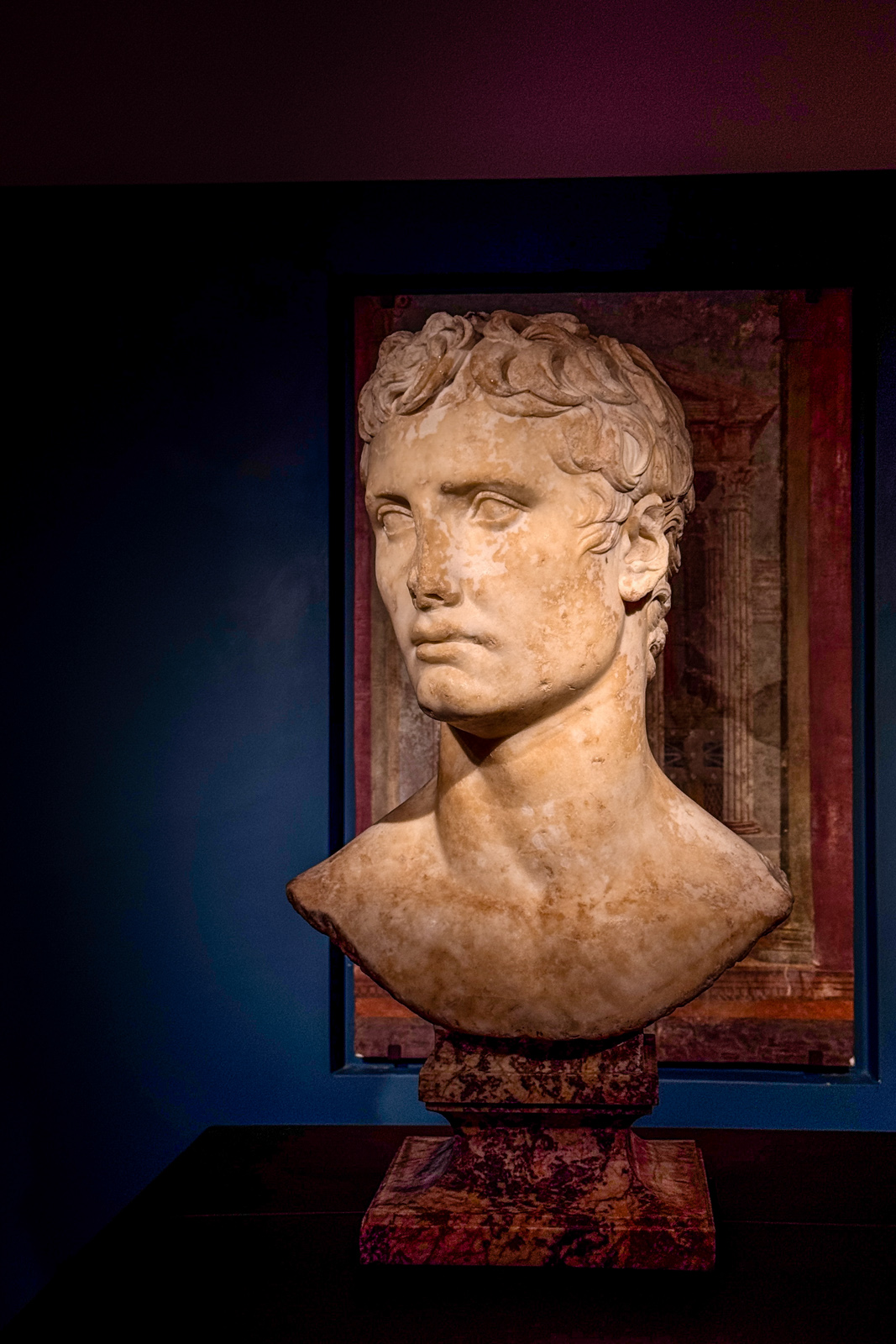
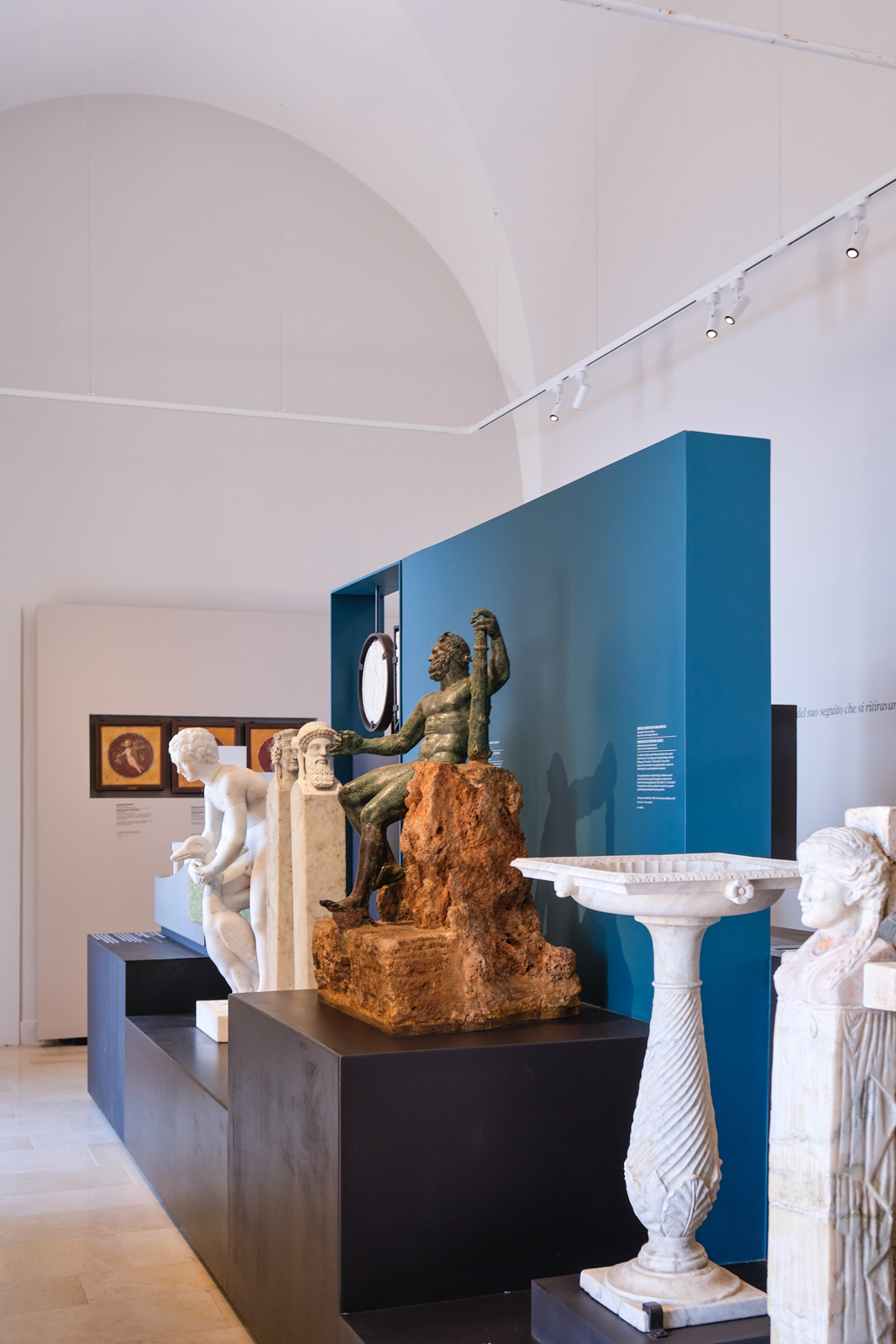
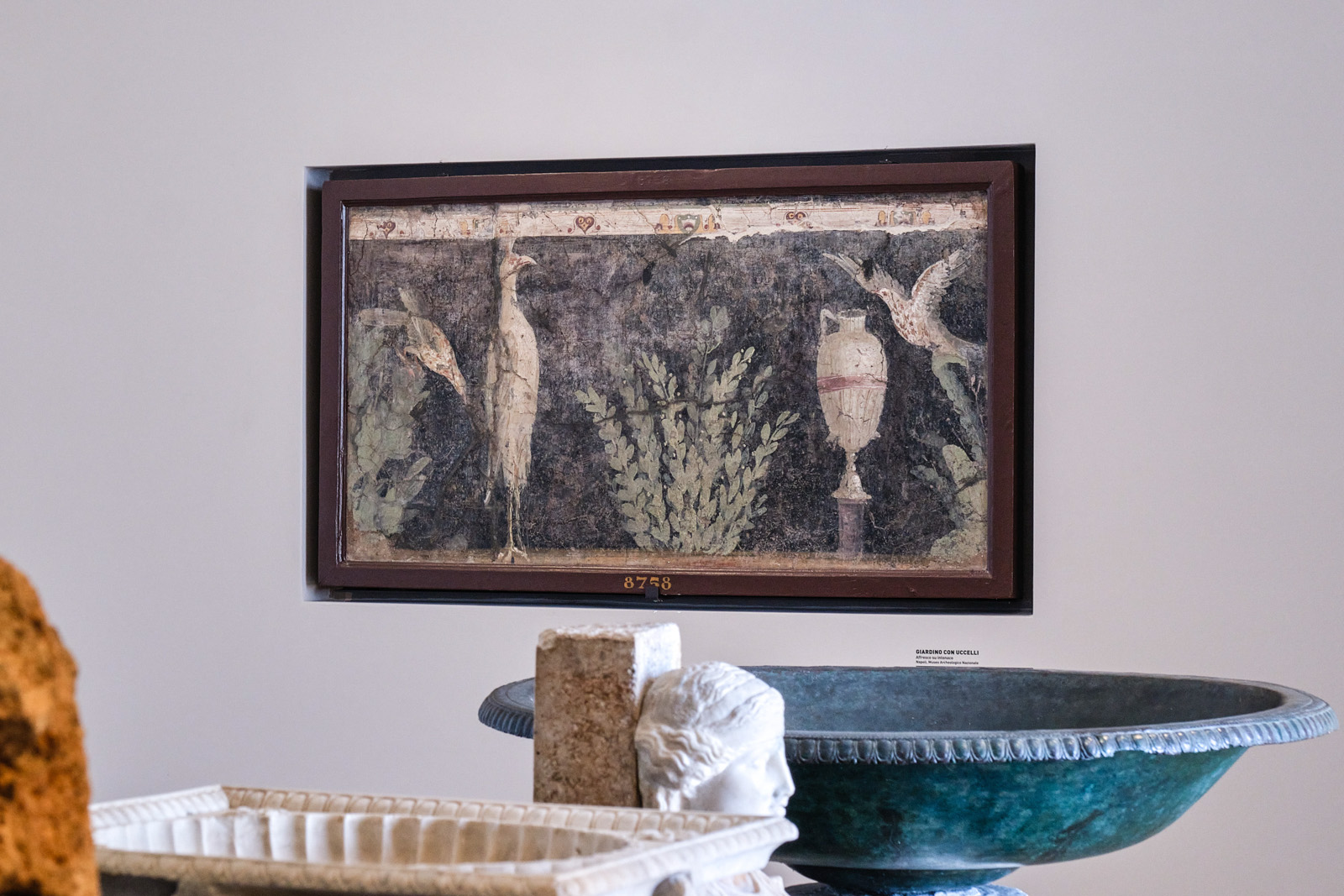
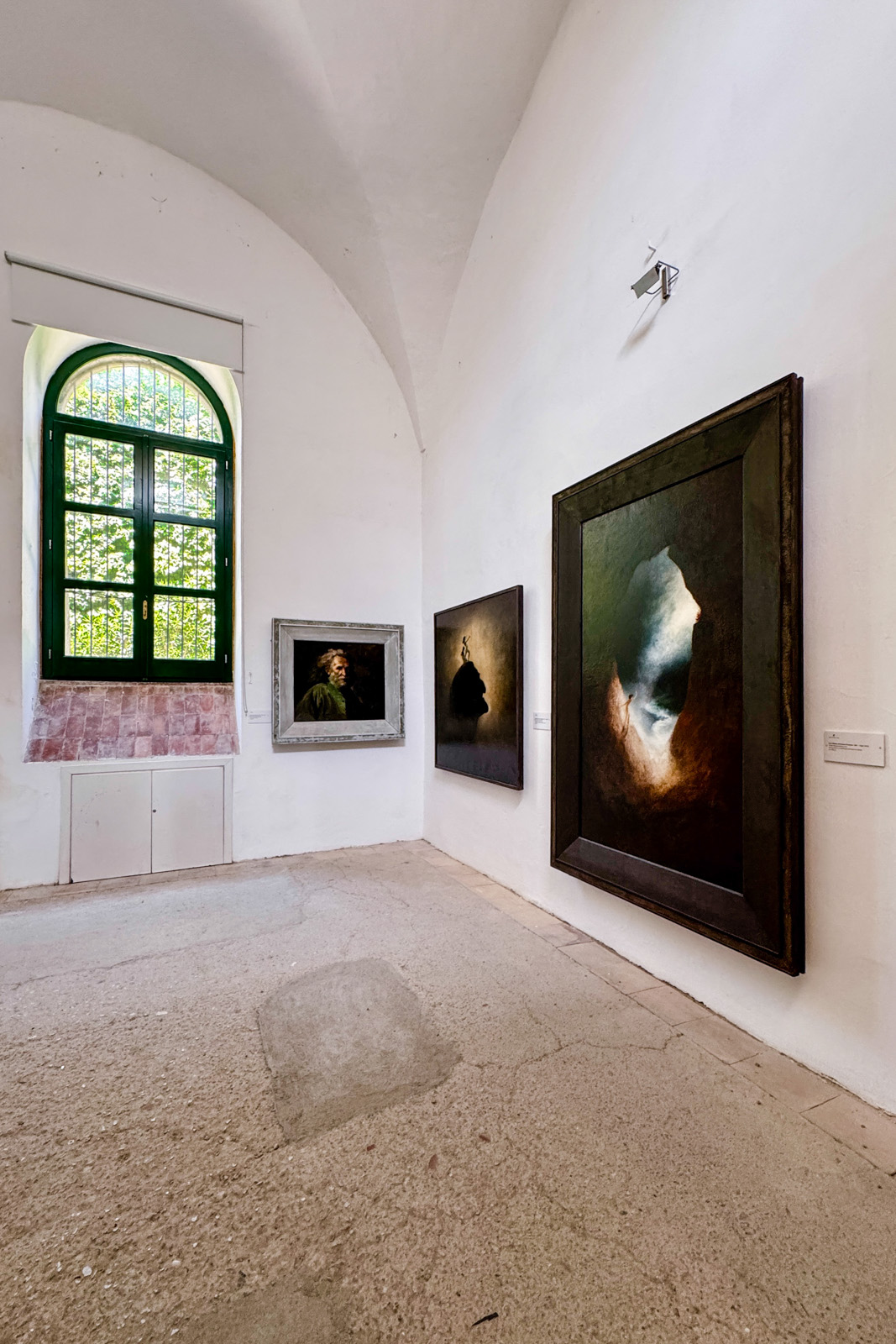
The Certosa di San Giacomo, the oldest building on Capri, has housed the Archaeological Museum and the Diefenbach Museum since 2024. The museum displays over 120 Roman artifacts, including sculptures found in the Blue Grotto and precious artworks that testify to the luxury in which the emperors Augustus and Tiberius lived here.
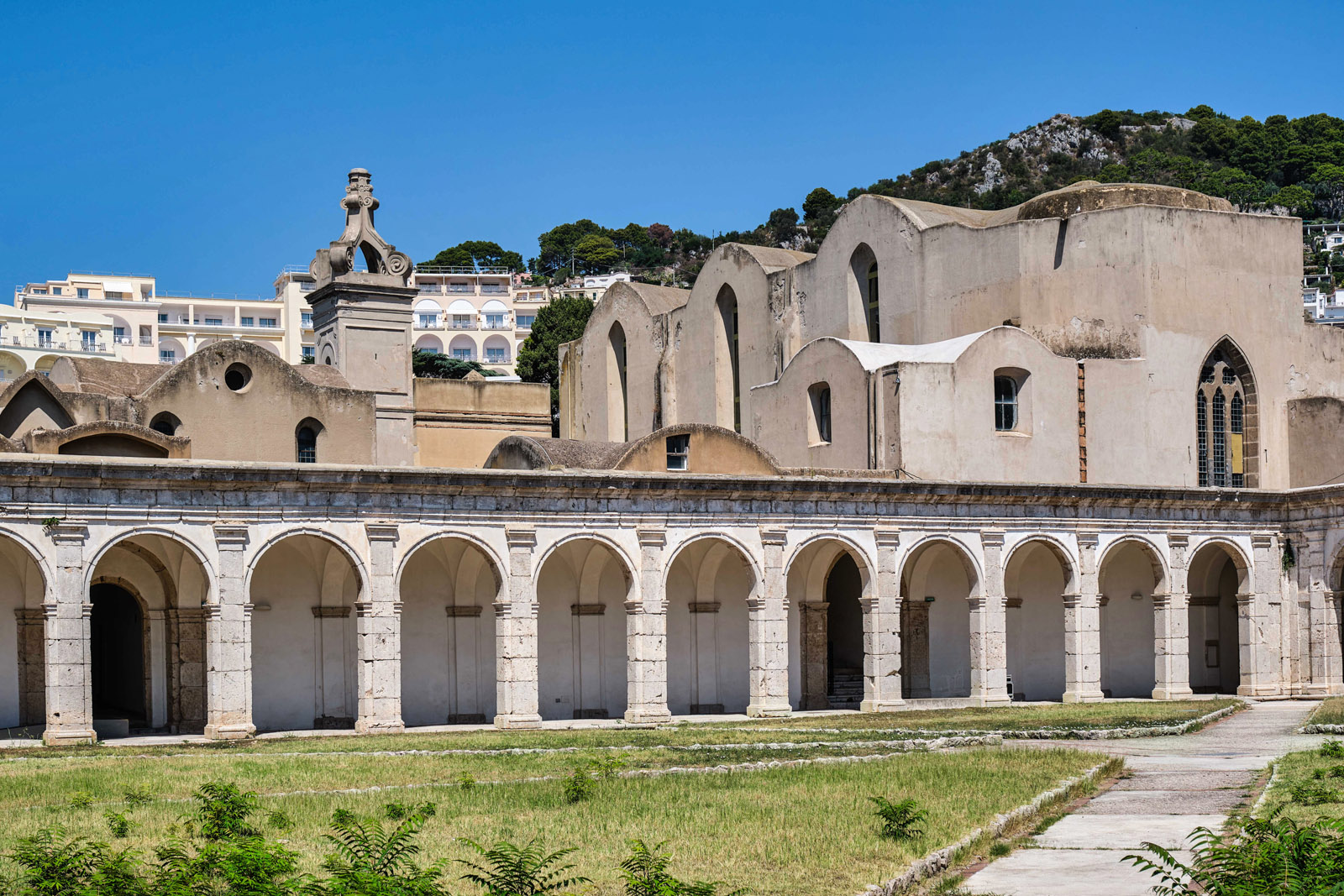
Founded between 1371 and 1374 by Giacomo Arcucci, Grand Chamberlain of Queen Joanna I of Anjou, the imposing complex was first a monastery for Carthusian monks, then a hospice, a prison, a school, and then, after World War II, a retirement and recreation center for aviators.
From July 26, 2024, the Certosa will house the National Archaeological Museum of Capri, curated by Massimo Osanna, Director General of Museums of the Ministry of Culture, and Carmela Capaldi of the University of Naples Federico II, and will tell the story of the island at the height of its splendor, during the reign of Emperors Augustus and Tiberius.
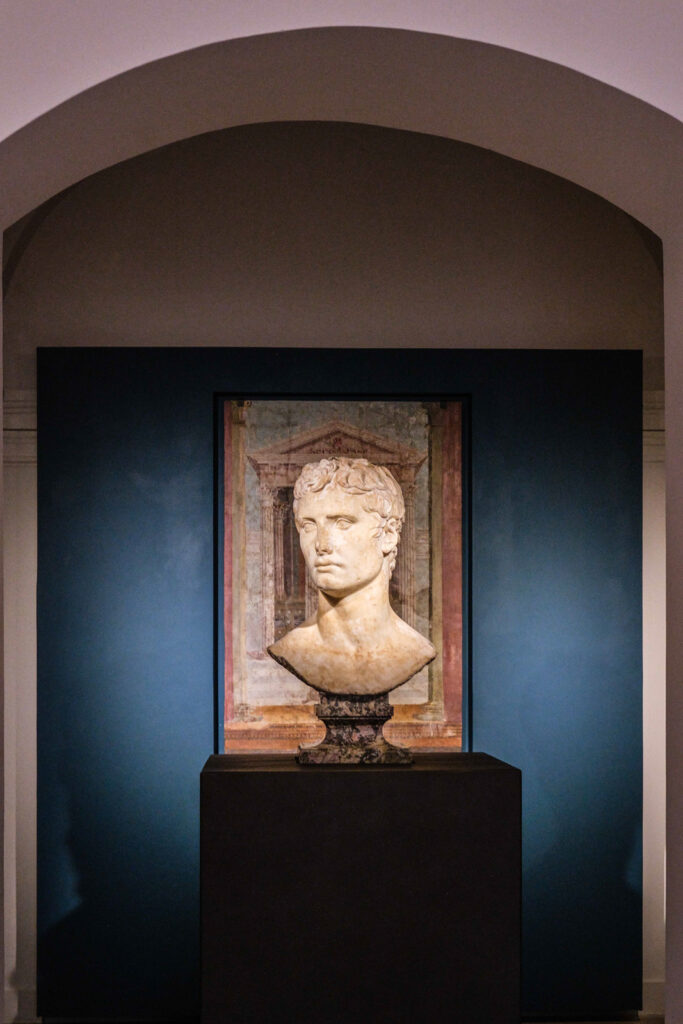
He called Apragòpoli, “city of sweet idleness”, the island near Capri because of the idle life of those of his entourage who retired there. (Svetonio, Life of Augustus)
The Legacy of Tiberius and Imperial Rome
Capri, a strategically important stop for those approaching the Gulf of Naples from the south, was beloved by Roman emperors, first and foremost Augustus, who, after “discovering” it, made it his refuge for recreation and relaxation. Then came his successor, Tiberius, who lived there from 27 AD until his death, ruling the empire from the Villa Jovis government palace (the ruins of which can be visited today).
Many treasures from that period are housed in the Museum:
– The statues of the Blue Grotto: the colossal Roman statues discovered at the bottom of the famous cave in 1964, thought to have been part of a nymphaeum dedicated to Neptune.
– From Villa Jovis to the Certosa: many of the marbles and decorations come from the ruins of Tiberius’s villas.

What to see at the Museum: between art and history
Beyond the archaeological finds, the complex offers a complete immersion in the island’s culture:
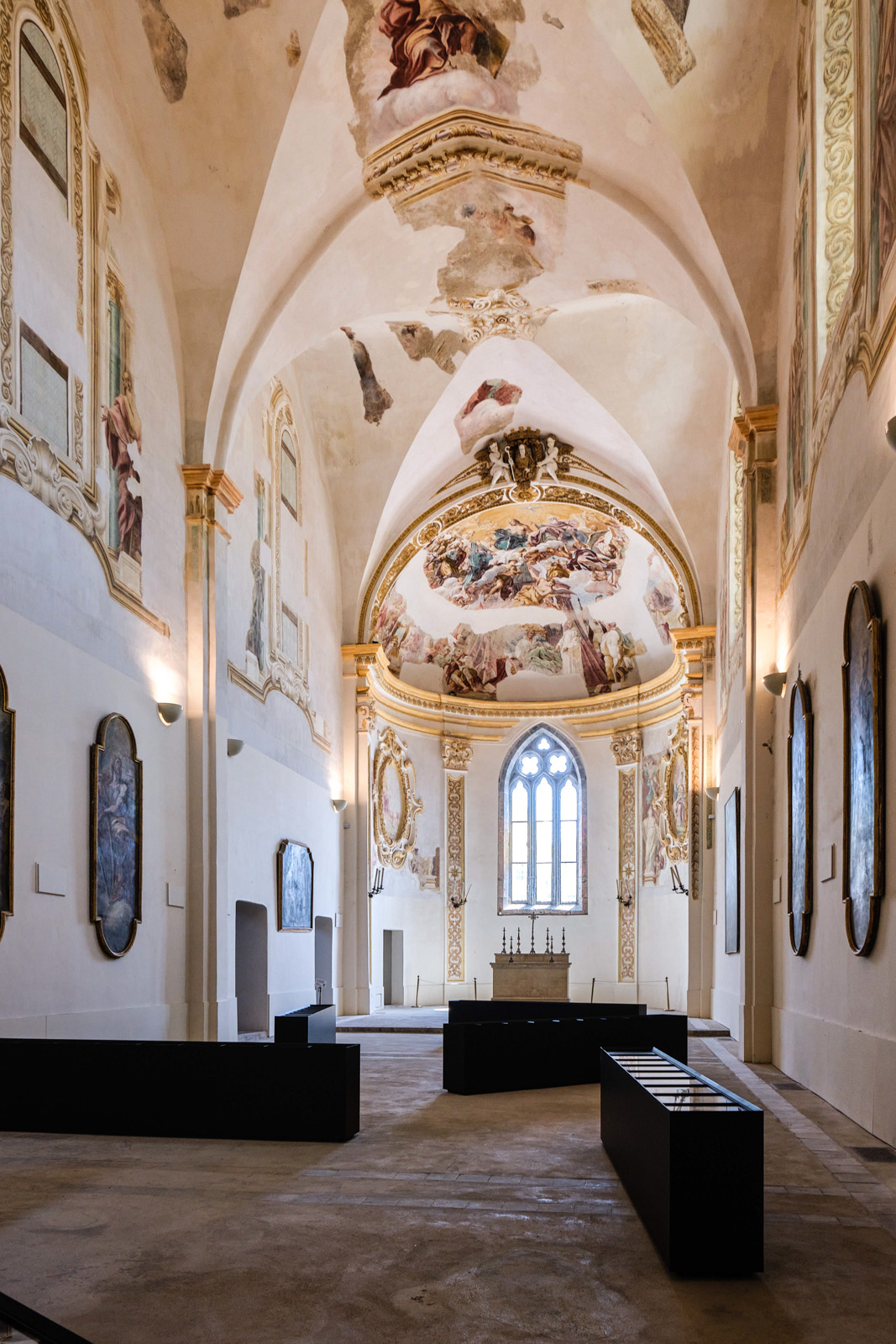
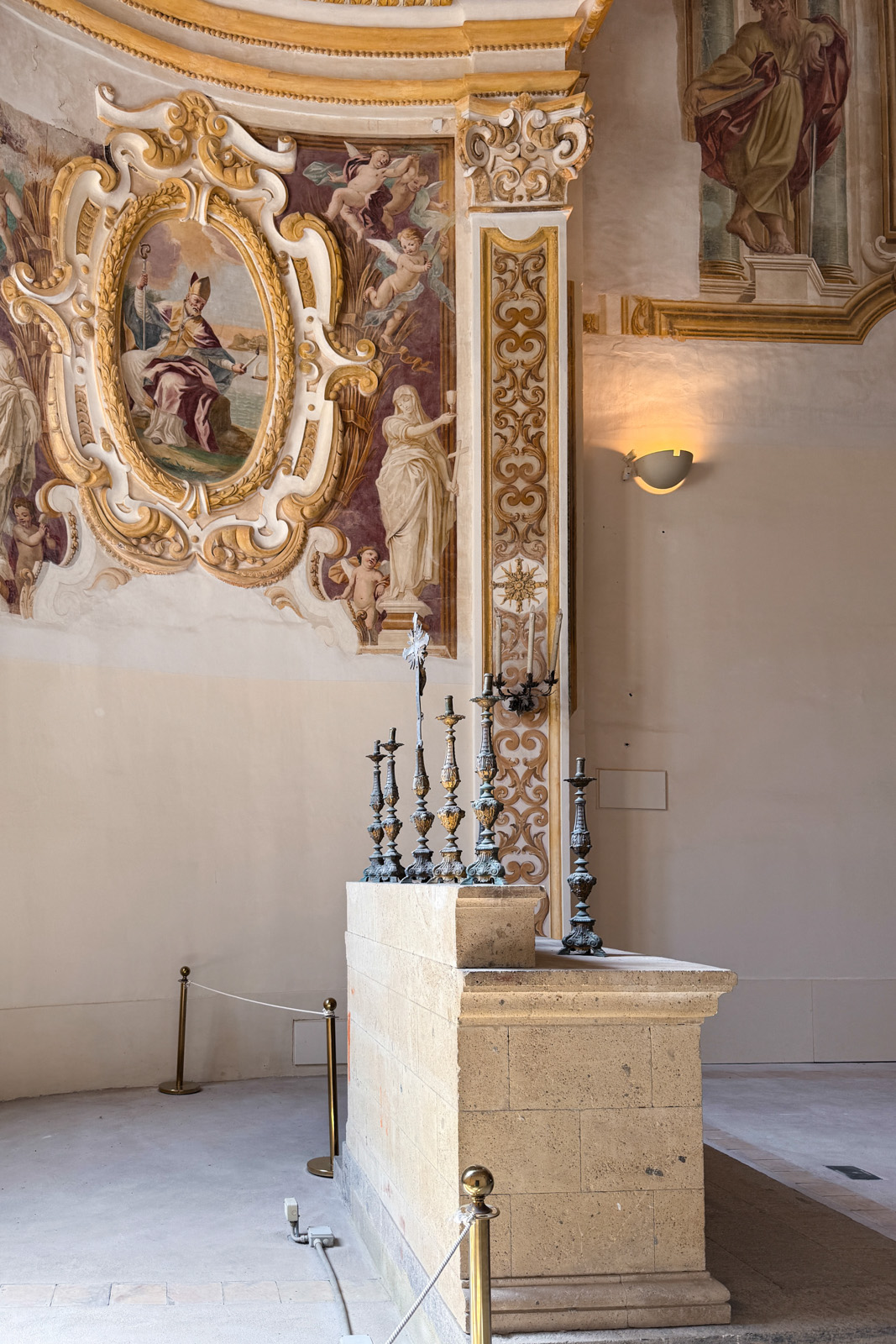
– The Prior’s Quarters: frescoed rooms that recount monastic life.
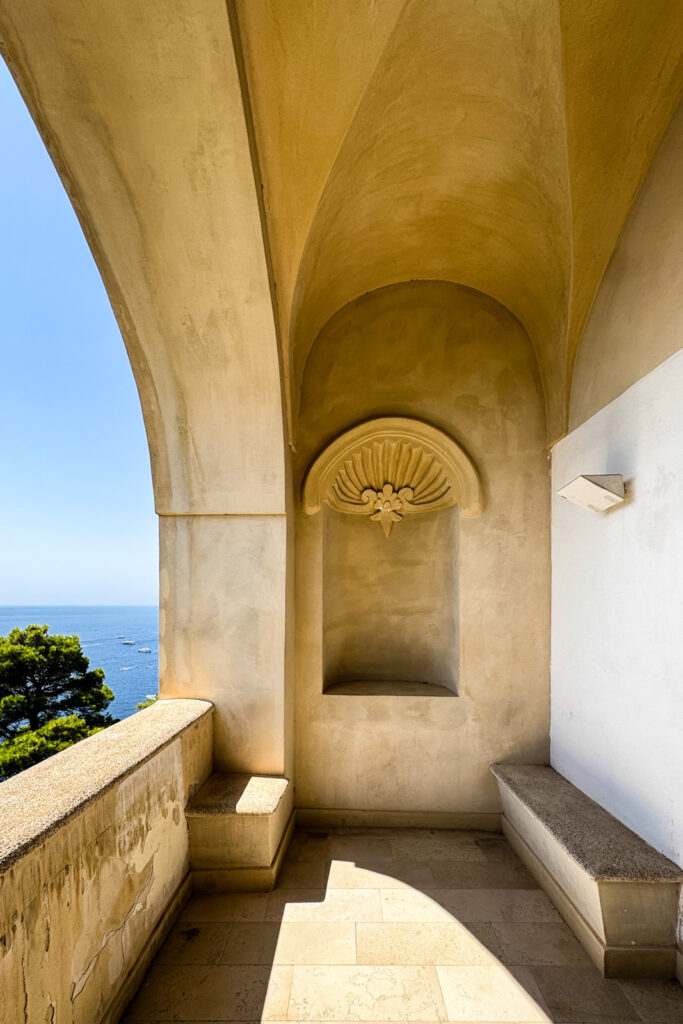
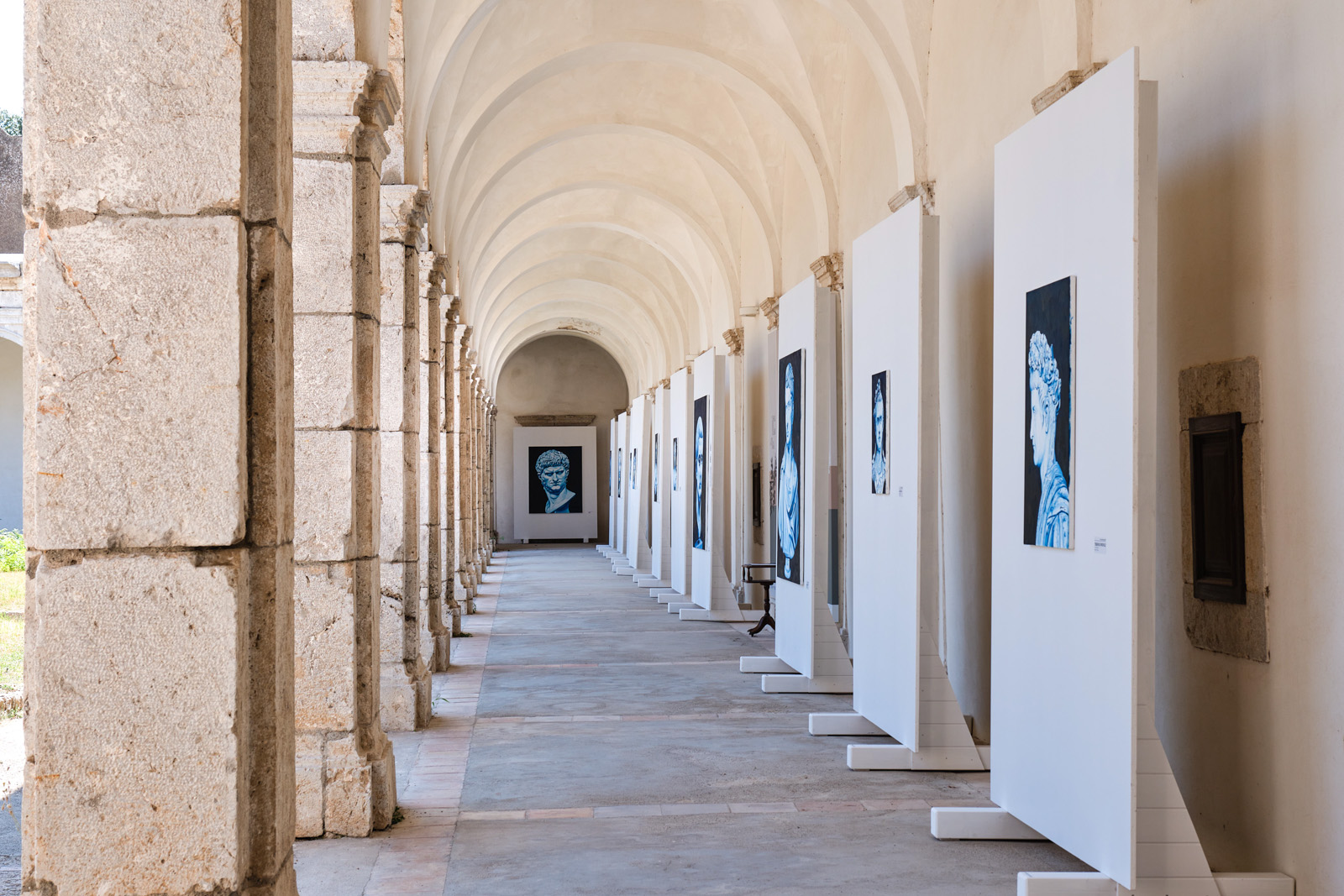
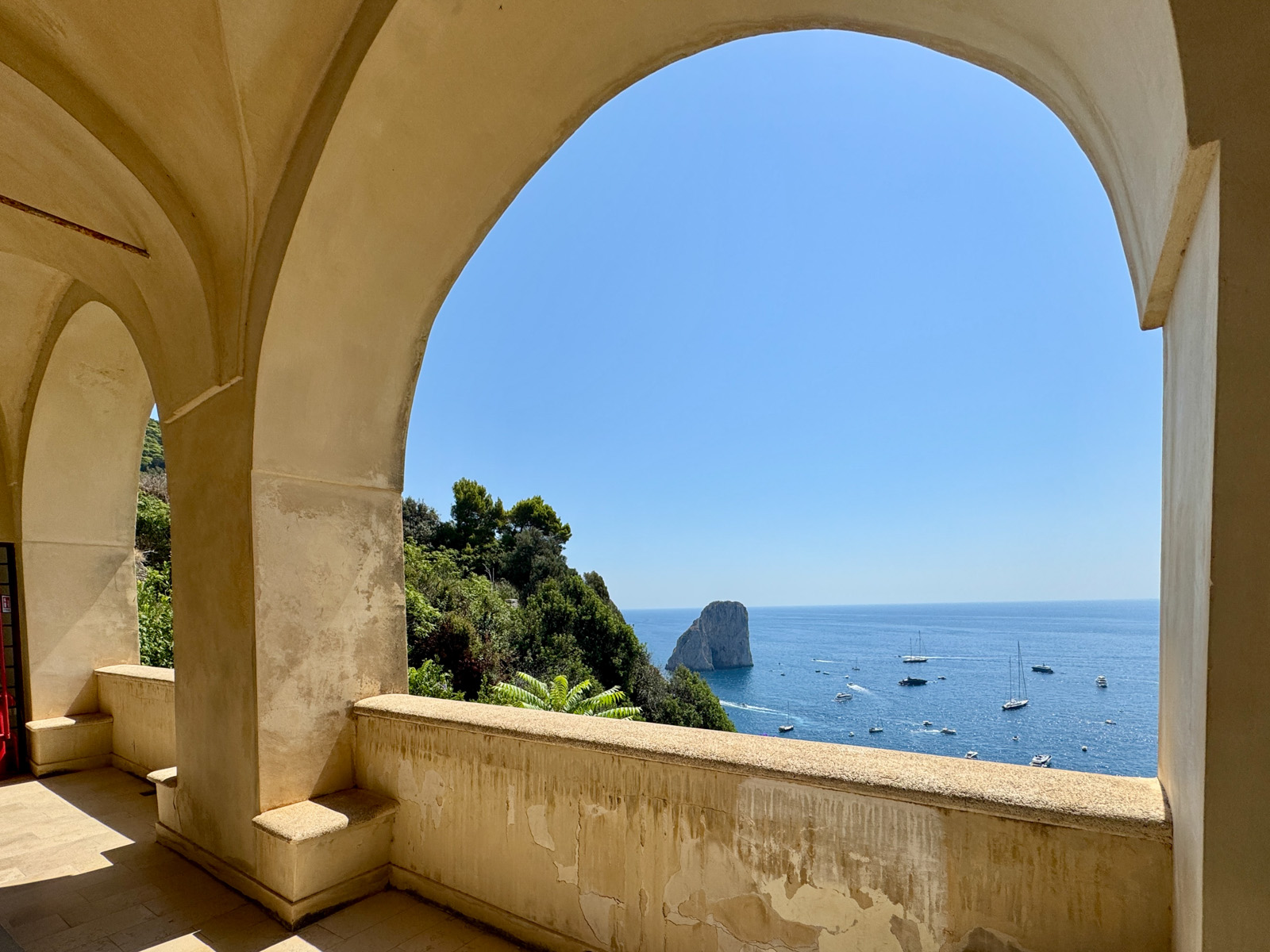
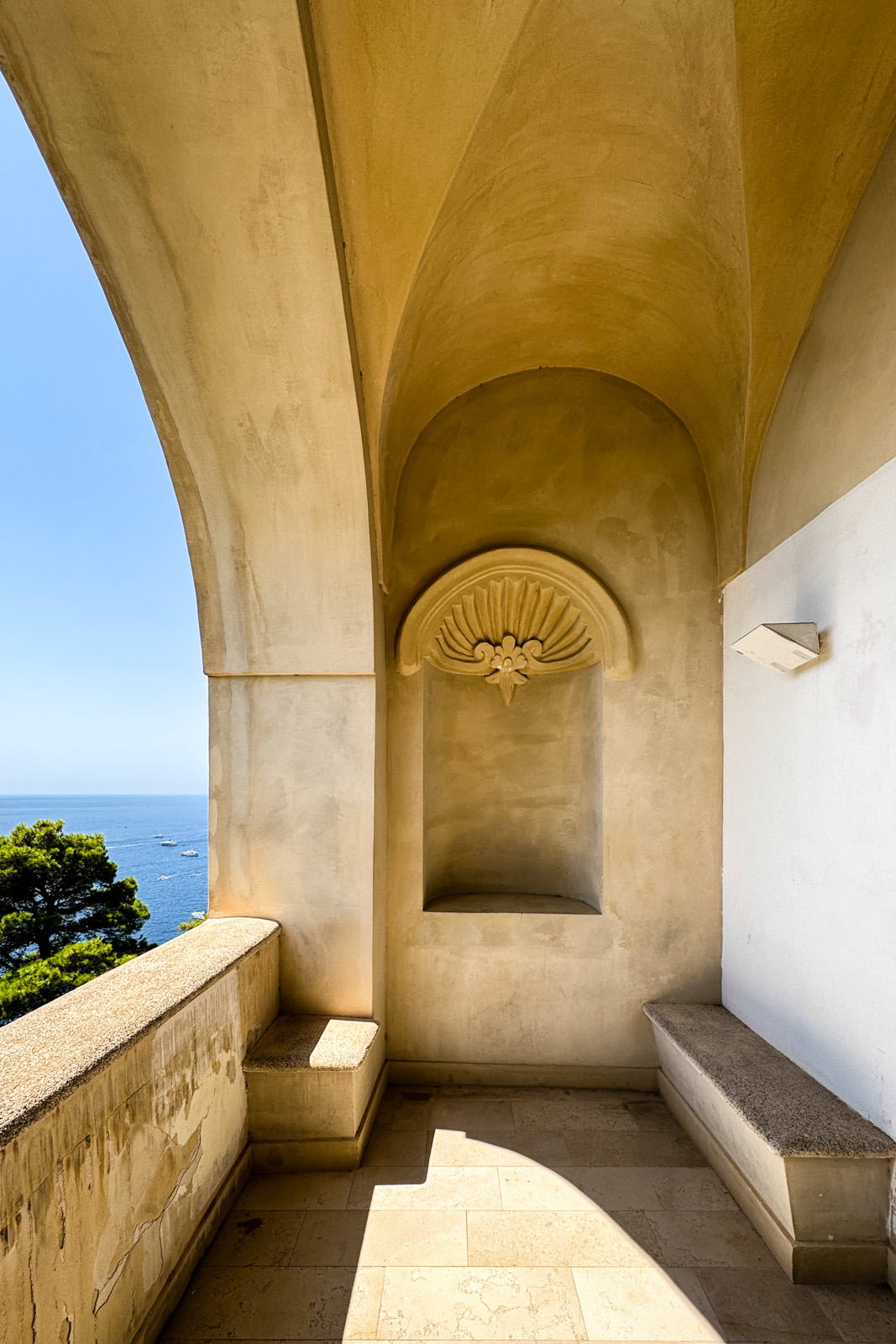
– The Great Cloister: an expanse of white arches and gardens that invite meditation.
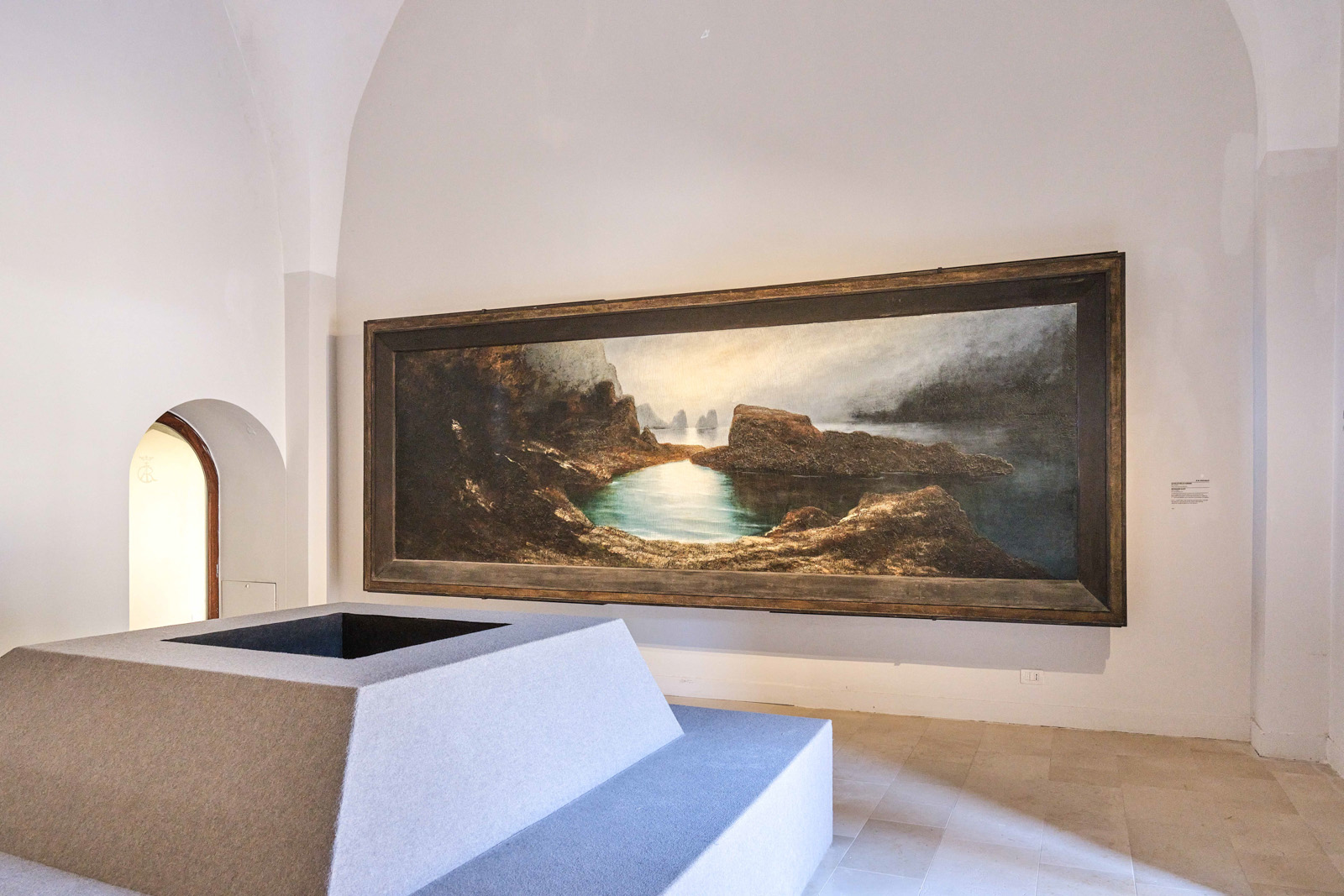
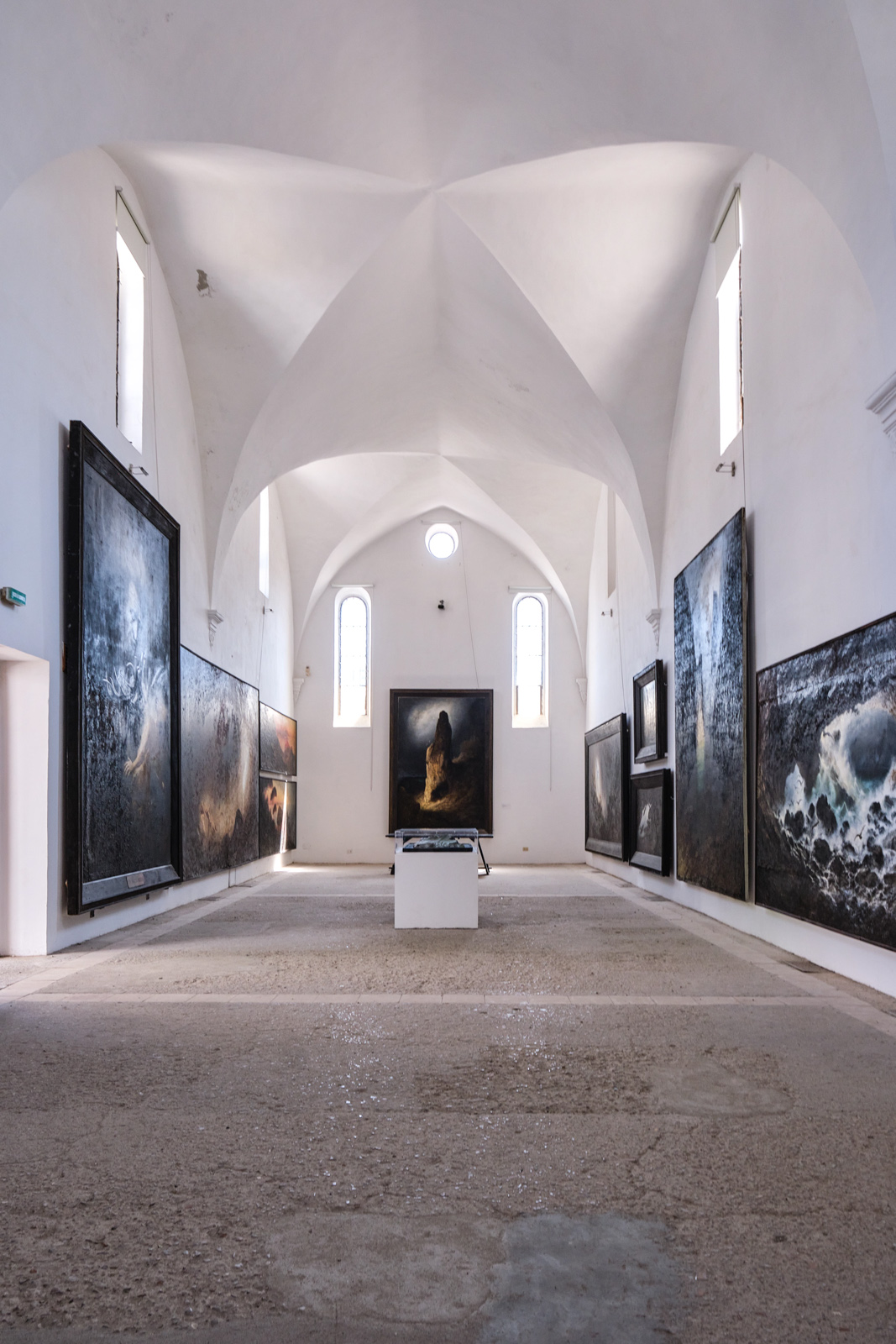
– The Diefenbach Collection: the museum houses the monumental paintings of Karl Wilhelm Diefenbach, a German painter who chose Capri as his muse between the 19th and 20th centuries. His dark and mystical works create a magnetic contrast with the whiteness of the monastery.


Beyond the Walls: The Gardens of Augustus and Via Krupp
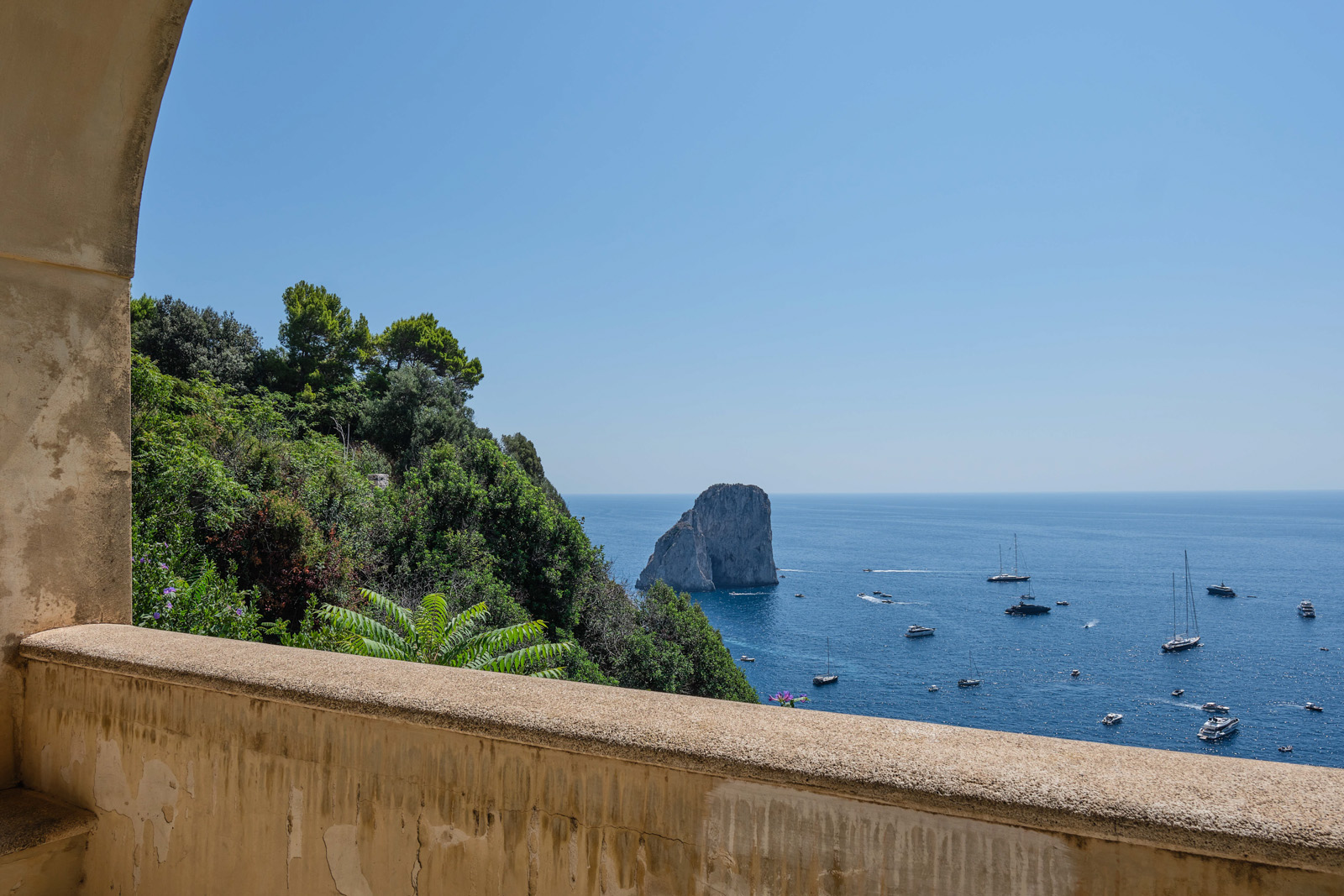
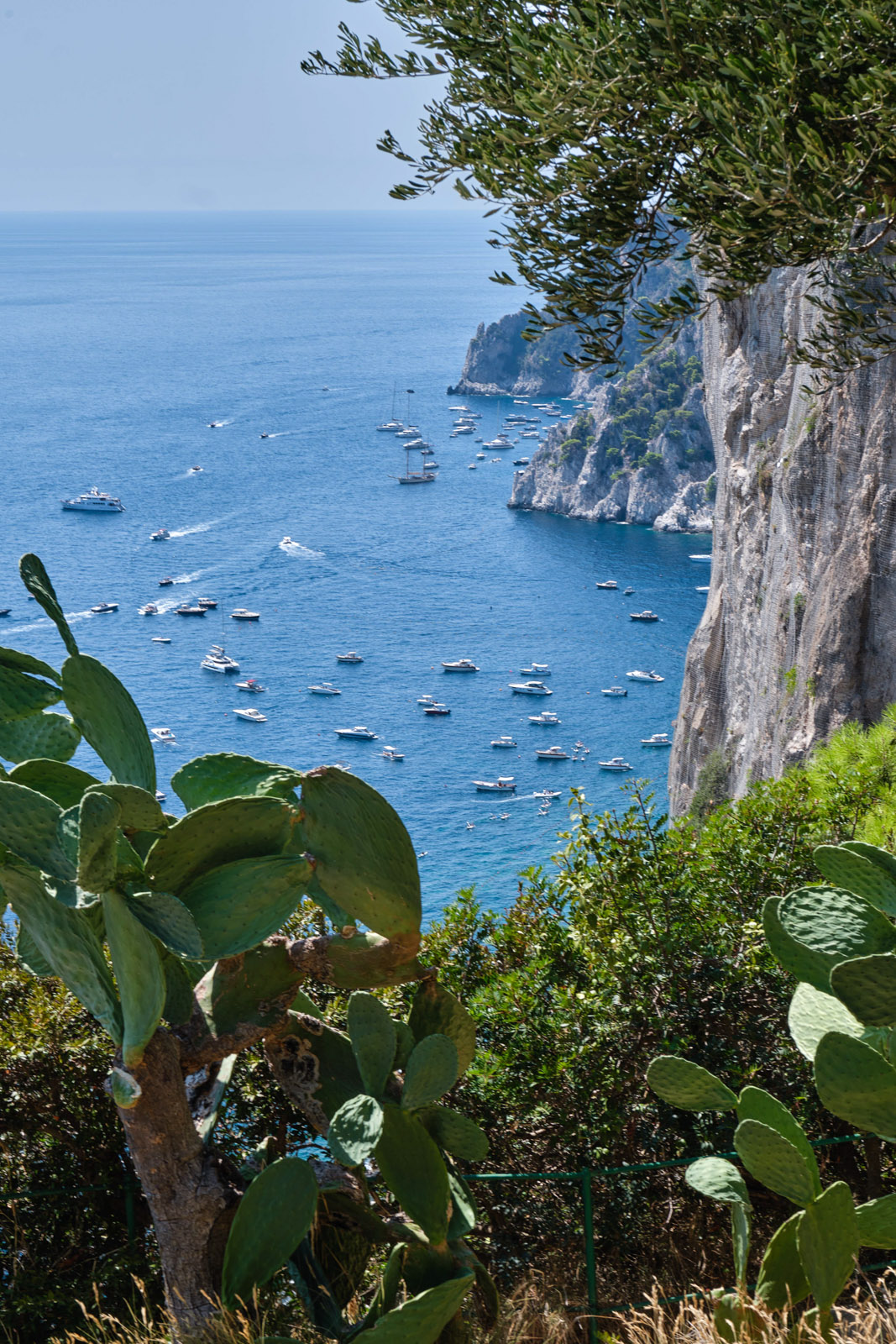
A few steps from the Certosa exit, the landscape opens onto one of the most iconic views of the Mediterranean.
– Via Krupp and its paths
Like a ribbon of rock, the spectacular Via Krupp was commissioned by the German industrialist Friedrich Alfred Krupp in the early 1900s, a feat of engineering art that connects the center of Capri to Marina Piccola.
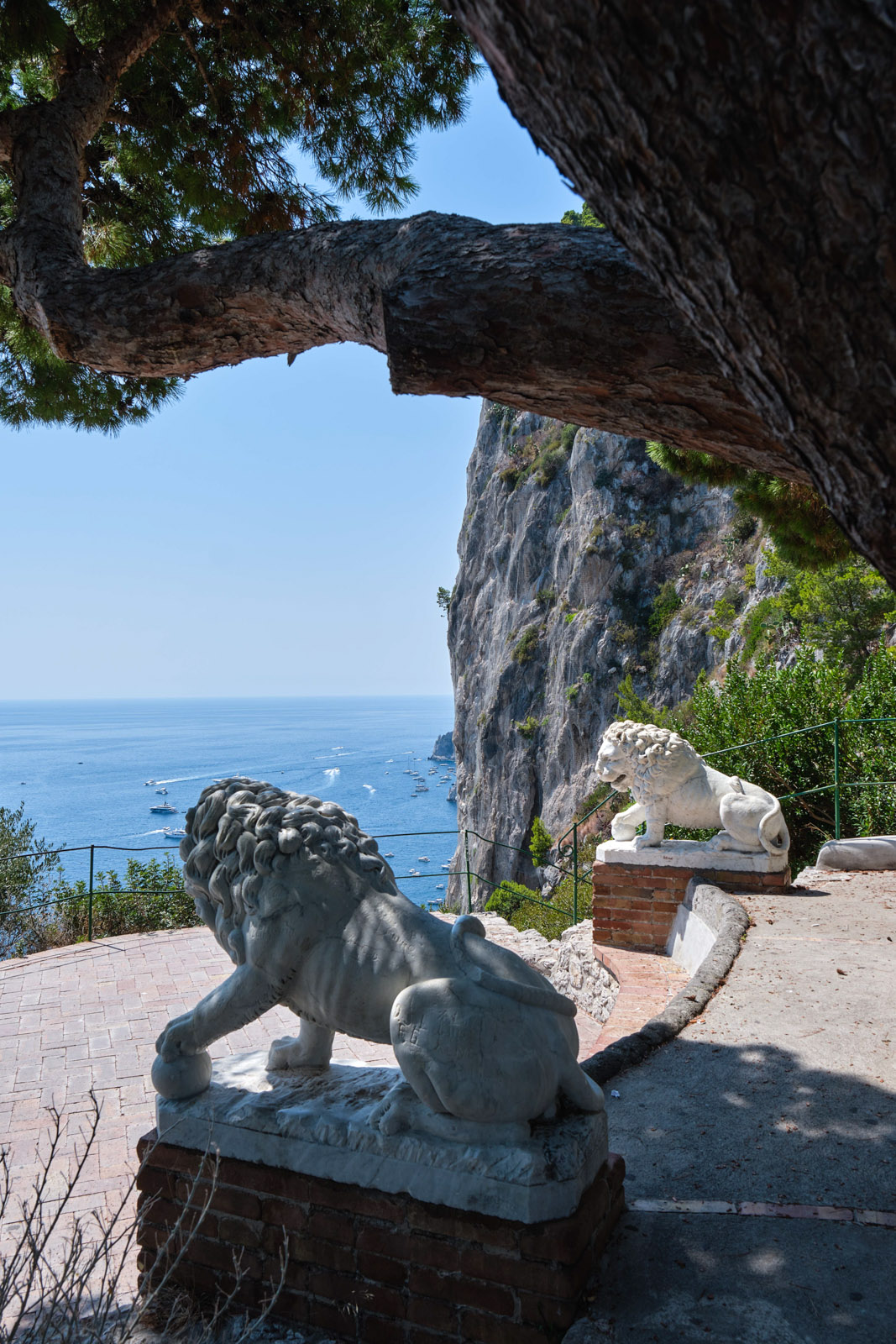
– The Gardens of Augustus
Formerly known as the “Gardens of Krupp,” then renamed “Gardens of Augustus” after World War II, they were originally the private gardens of the entrepreneur’s estate. Today, these flower-filled terraces offer a marvelous view of Capri’s Faraglioni.


The Secret
In 29 BC, returning from the East, Augustus visited Capri. According to legend, an old, withered holm oak tree began to bloom again upon his arrival. Struck by this omen, he decided to exchange nearby Ischia (much more fertile and wealthy) for Capri with the city of Naples, where he built villas and gardens.


Useful Info
Certosa di San Giacomo e Museo Archeologico Nazionale di Capri
Via Certosa 10
80073 Capri, Napoli
Tel. +39 081 8376218
Ticket: 10 euro