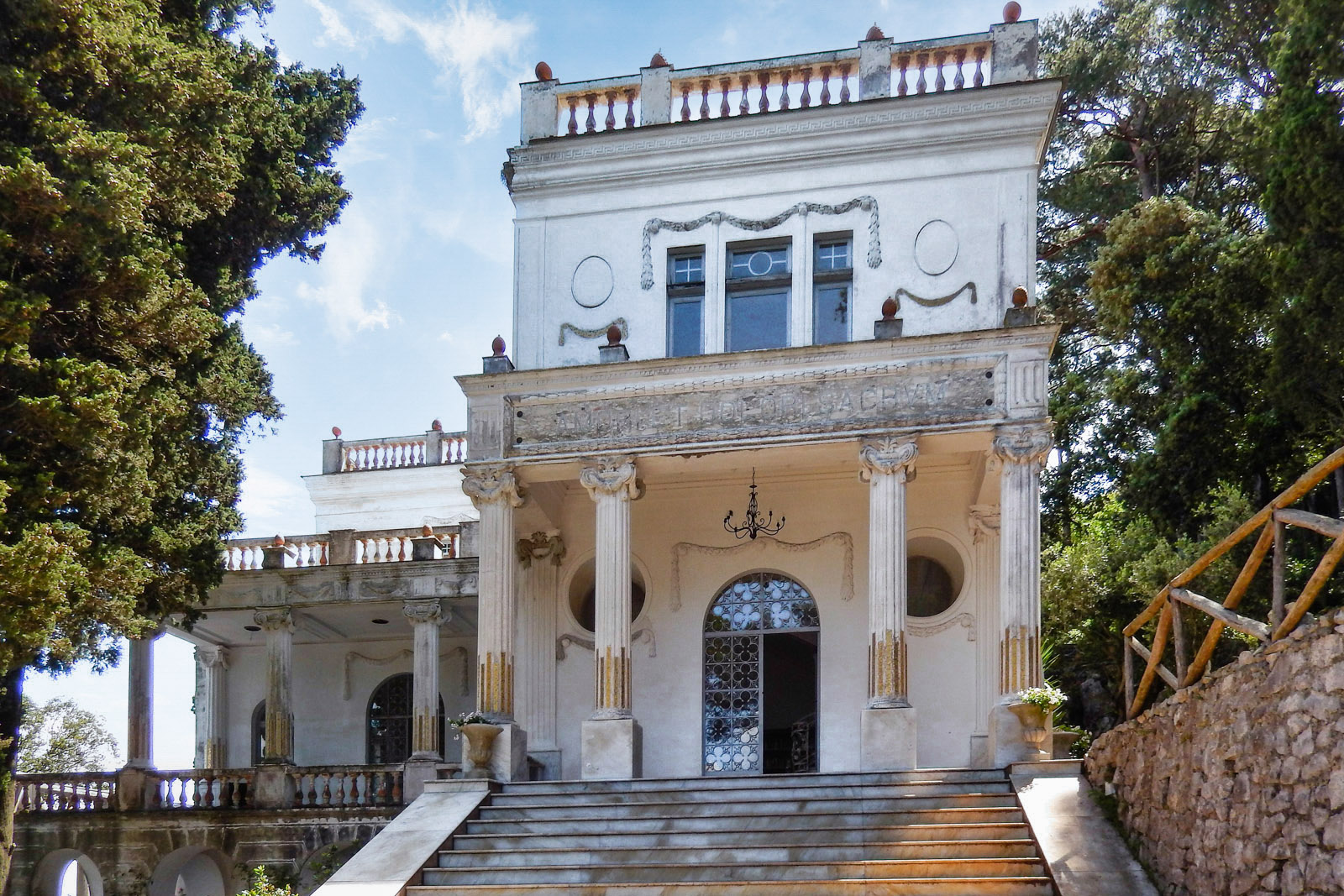
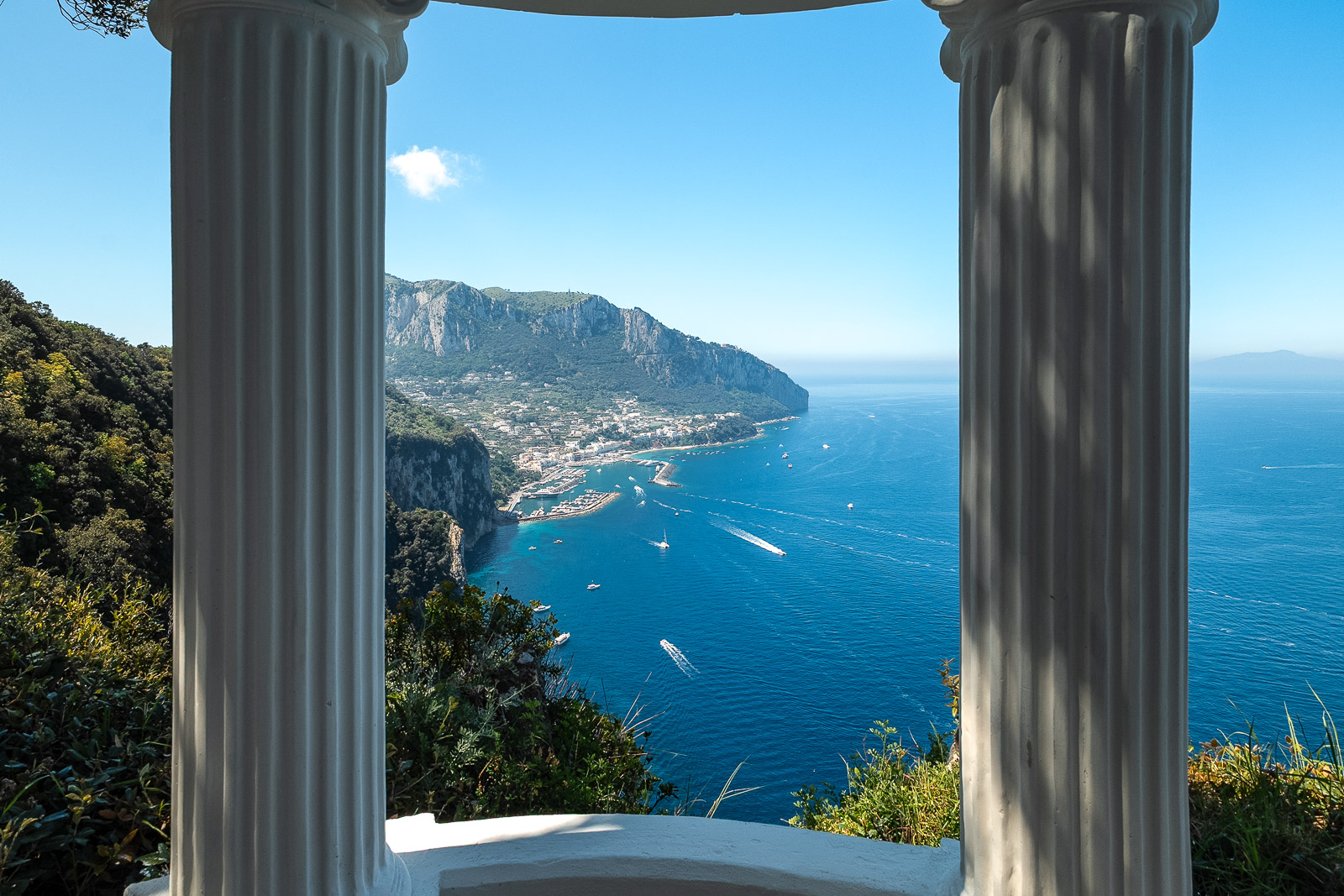
Suspended between the blue sea and the steep rocks of Mount Tiberio, Villa Lysis in Capri is the neoclassical residence that became a testament to a life lived beyond all limits, even that of beauty, between the cult of ancient Greece, Art Nouveau decorations and oriental suggestions.
The history of Villa Lysis is inextricably linked to its creator, Baron Jacques d’Adelswärd-Fersen, a descendant of a wealthy family of steel industrialists, who fled to Capri to escape Paris and alleged scandals related to his homosexuality and dissolute lifestyle.
To live free from social conventions and in complete aesthetic freedom, in 1904 Fersen entrusted the architect, painter, engraver, and publisher Edouard Chimot with the challenge of creating a total work of art where he could live with his “Muse,” the young Roman Nino Cesarini.


I looked for a romantic place, on a hill… with a sea view, not too close to the city, something remote and solitary where I could build my Acropolis of beauty.
(L’Exilé de Capri, 1959, Roger Peyrefitte)
A tribute to Plato’s Dialogue
The Villa’s name derives from the Lysis (Lysis in Ancient Greek: Λύσις), one of Plato’s dialogues in which Socrates argues with the young and beautiful Lysis, attempting to define human attraction.
“Amori et Dolori Sacrum”—Consecrated to Love and Pain—is the inscription that welcomes visitors on the building’s architrave, a perfect synthesis of Fersen’s profound and cultured sentiments.


A neoclassical temple overlooking the sea
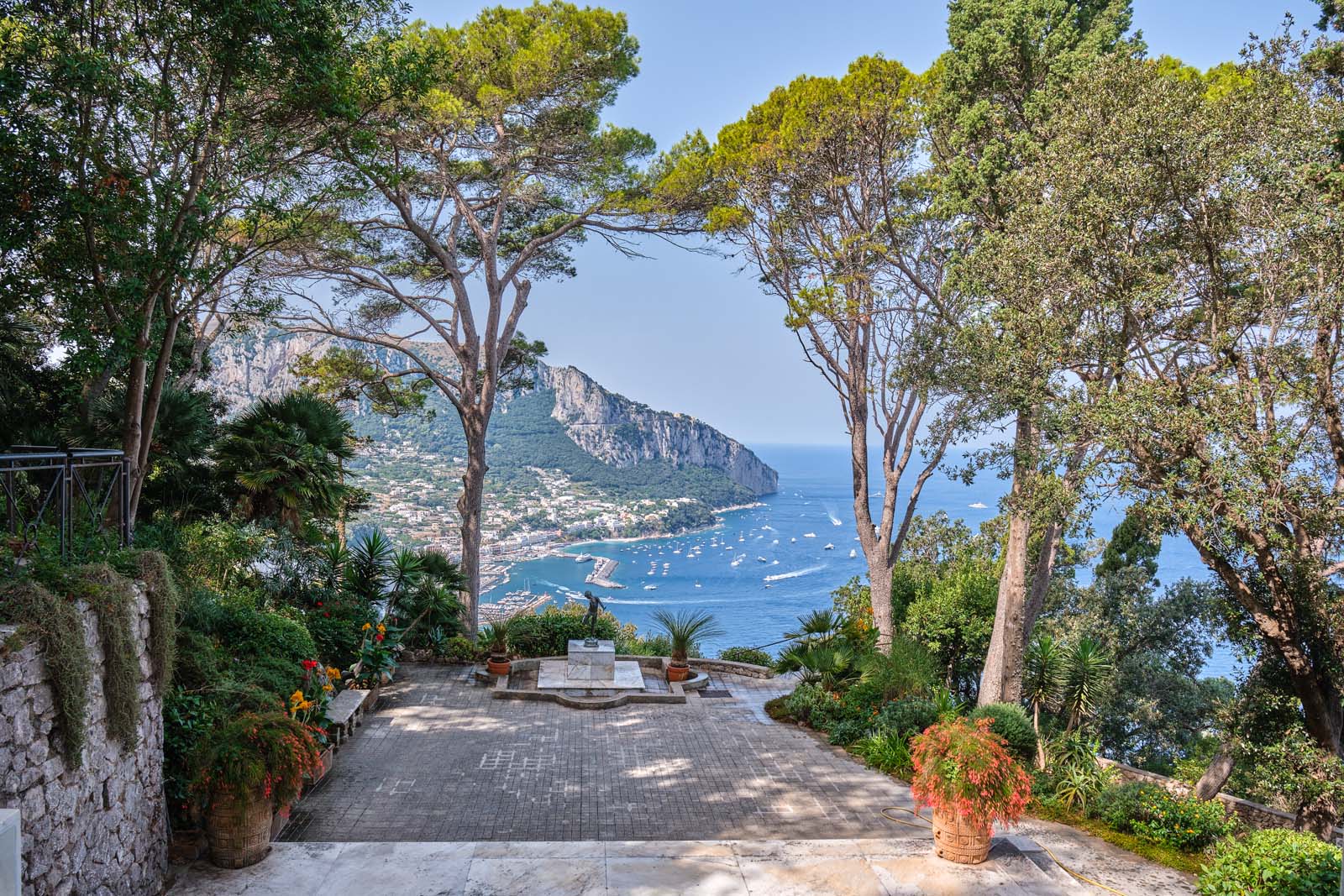
Now owned by the Municipality of Capri, the Villa enjoys an incredible panoramic position atop a hill.
Because of its inaccessible location, it can only be reached on foot, a 45-minute stroll from Capri’s Piazzetta, which passes through flower-lined alleys and offers unique views of Marina Grande.

The villa was not built to welcome the sun of Capri, but to protect the shadow of those who lived there.
Interiors and furnishings: opium, silk, and symbolism
Entering Villa Lysis is like taking a journey into the mind of a 20th-century aesthete. The original furnishings were, in fact, a celebration of exoticism and luxury.
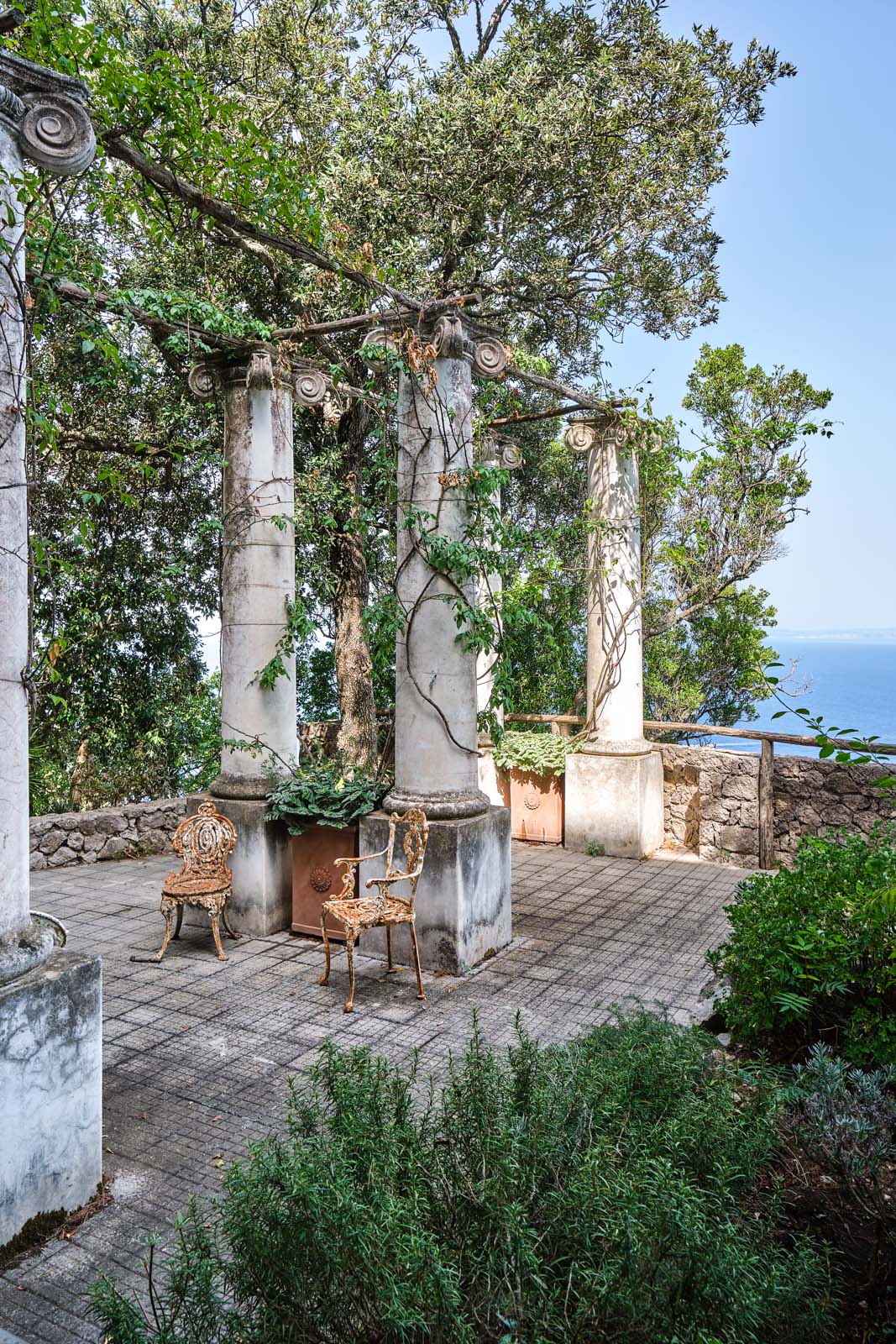
The Hall and Veranda: The heart of the house was the large hall, furnished with fine wood furniture and oriental rugs. Even today, you can admire the exquisite decorations, such as the golden mosaics on the Ionic columns.
The Opium Room: The most iconic room is the smoking room (or opium room), located on the lower floor. Here, Fersen sought an “artificial paradise” among walls decorated with exotic motifs, low sofas, and exotic pipes, along with blue and white ceramic floors, rare marbles, and stucco.

And strolling through the Villa’s beautiful panoramic terraces or incredible garden, it’s impossible not to imagine the spectacular parties organized by the Baron, attended by many illustrious figures of the time, such as Marchioness Luisa Casati Stampa, Hans Paule, Gilbert Clavel, Otto Sohon-Rethel, Norman Douglas, and Ada Negri.
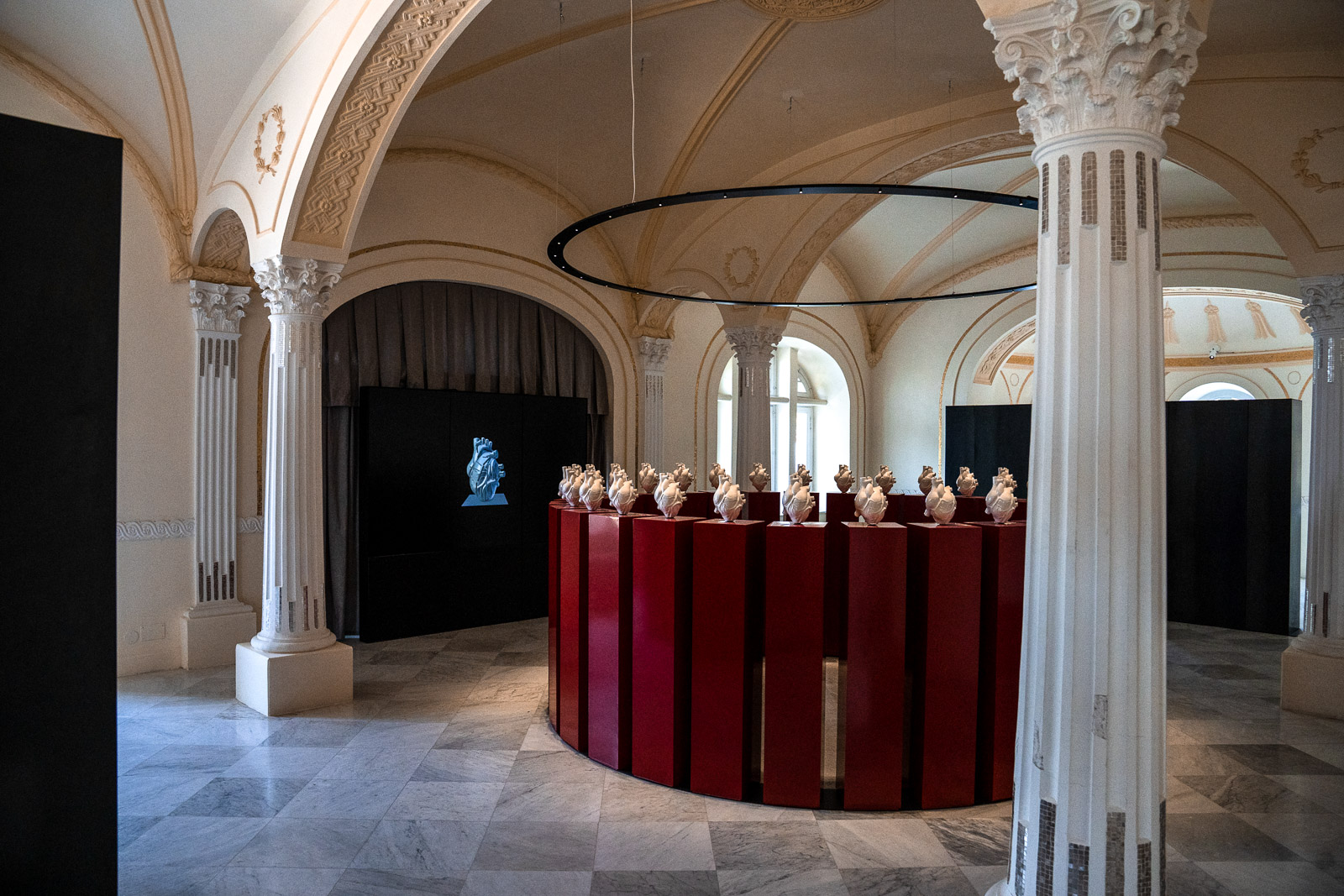
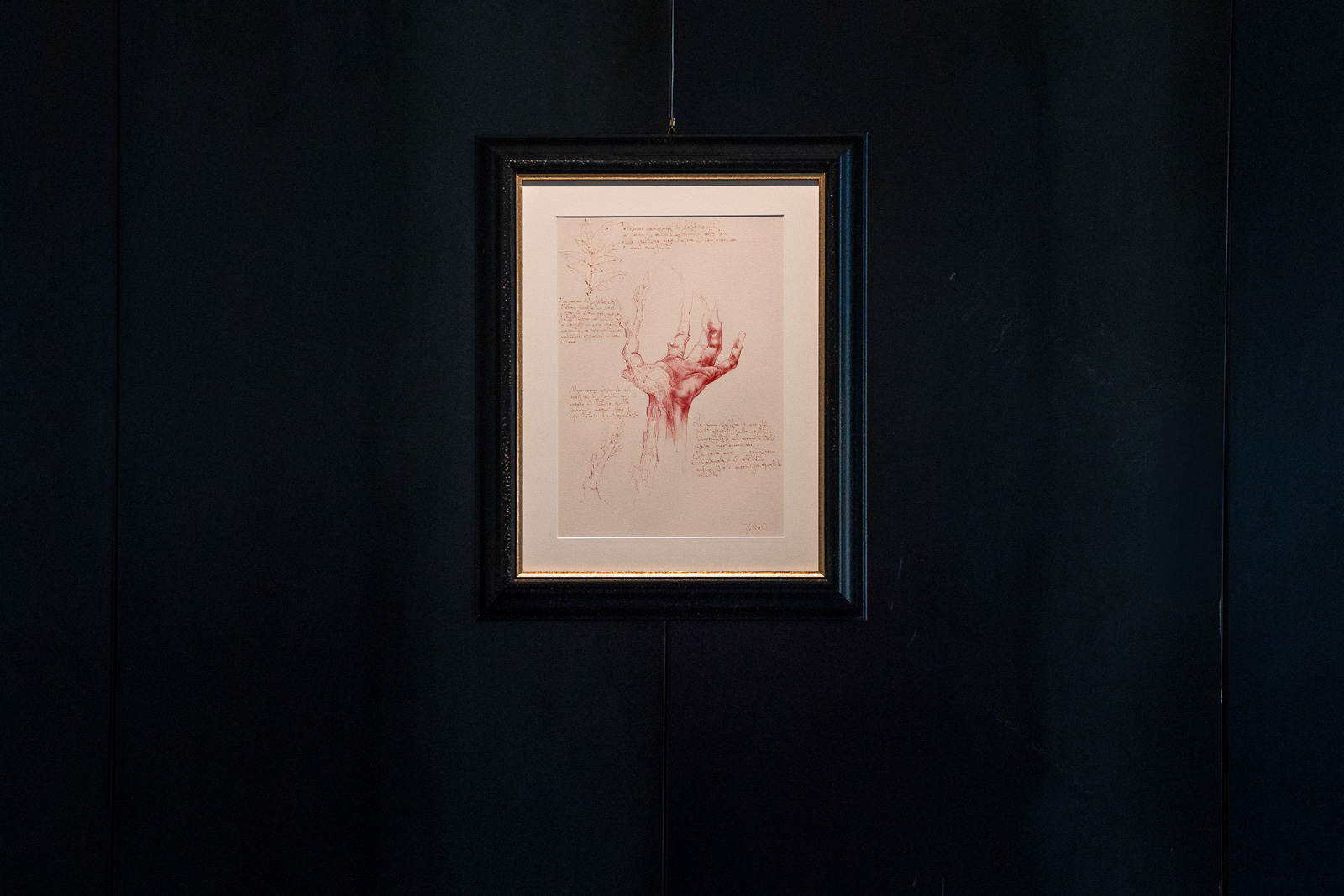
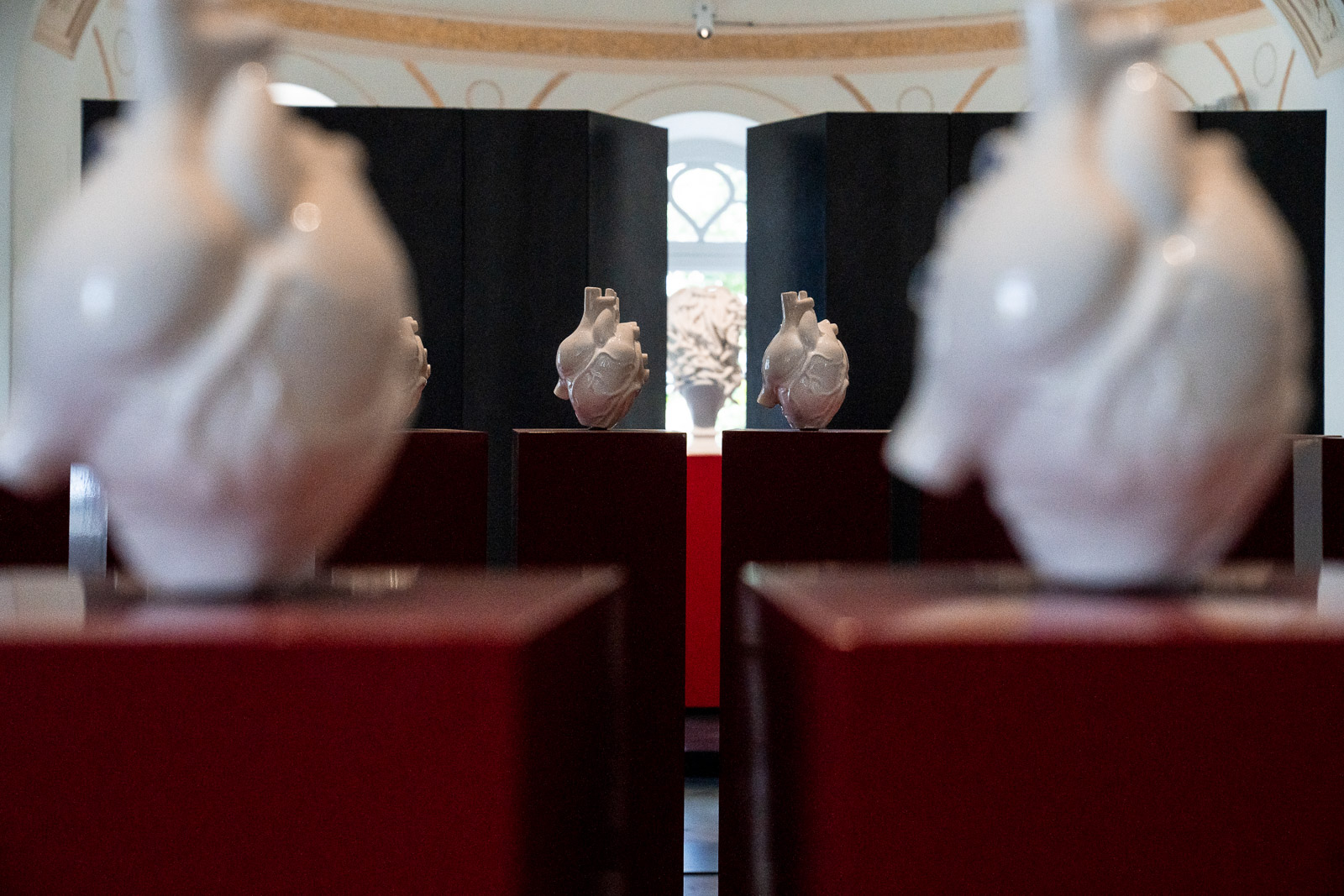
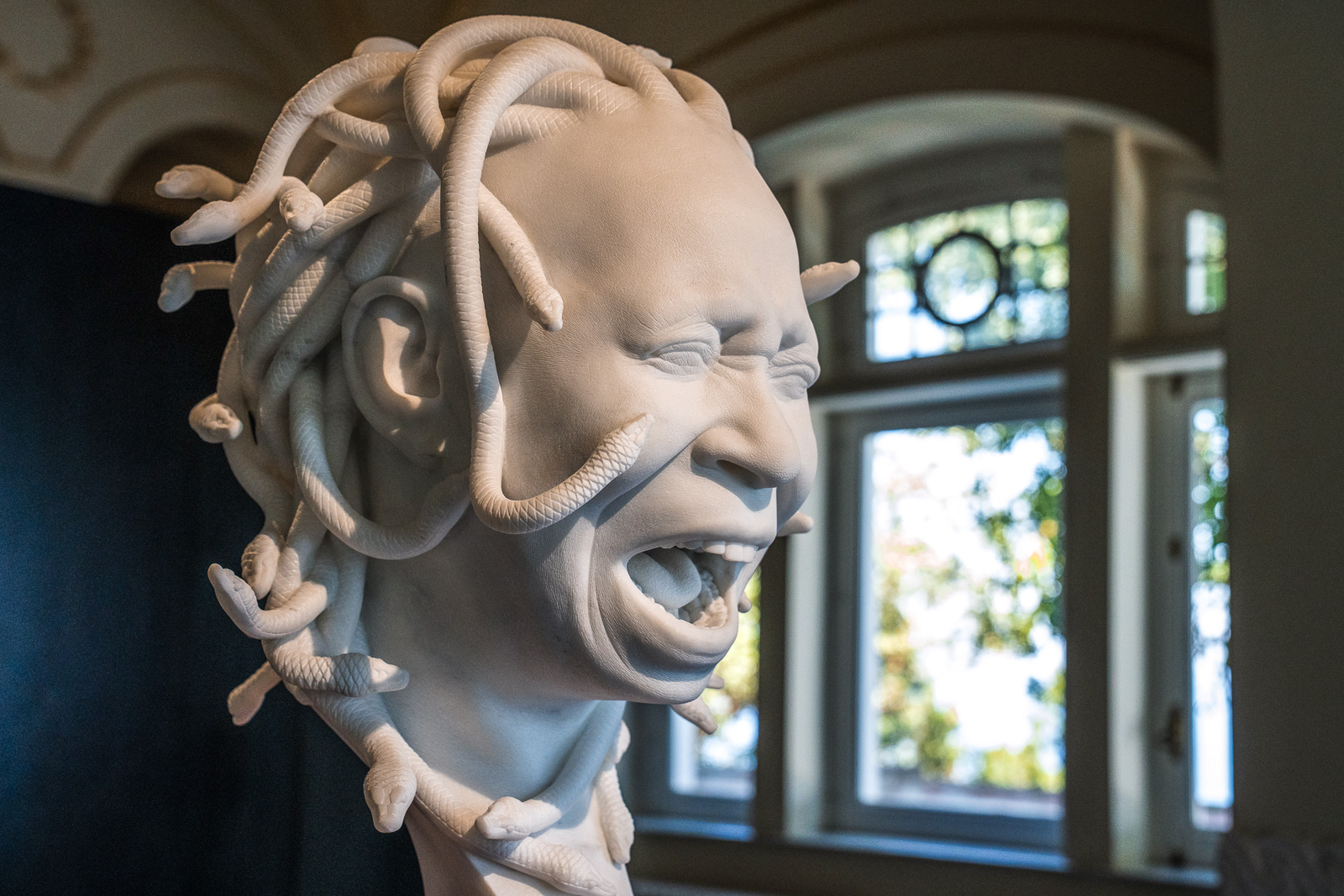
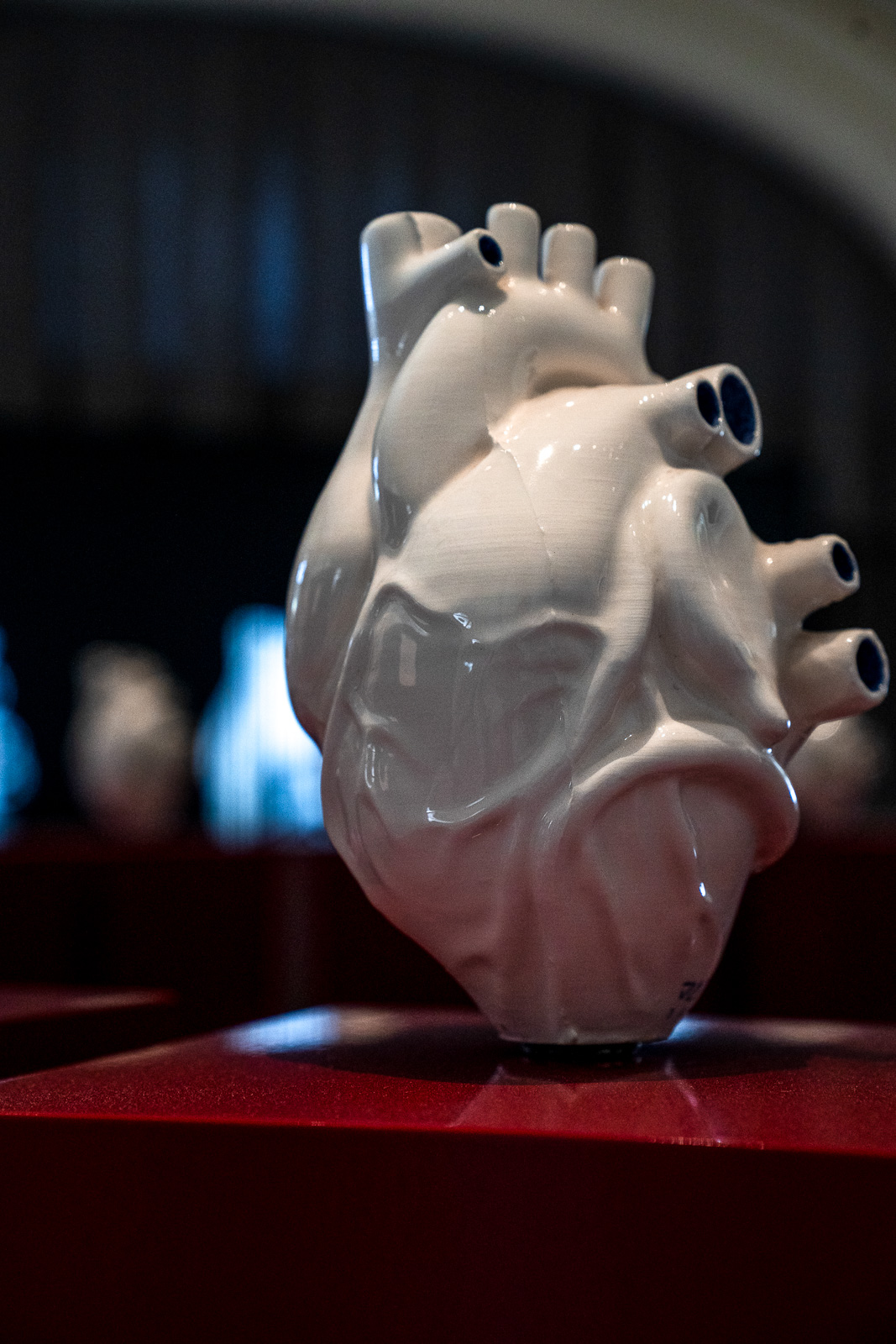
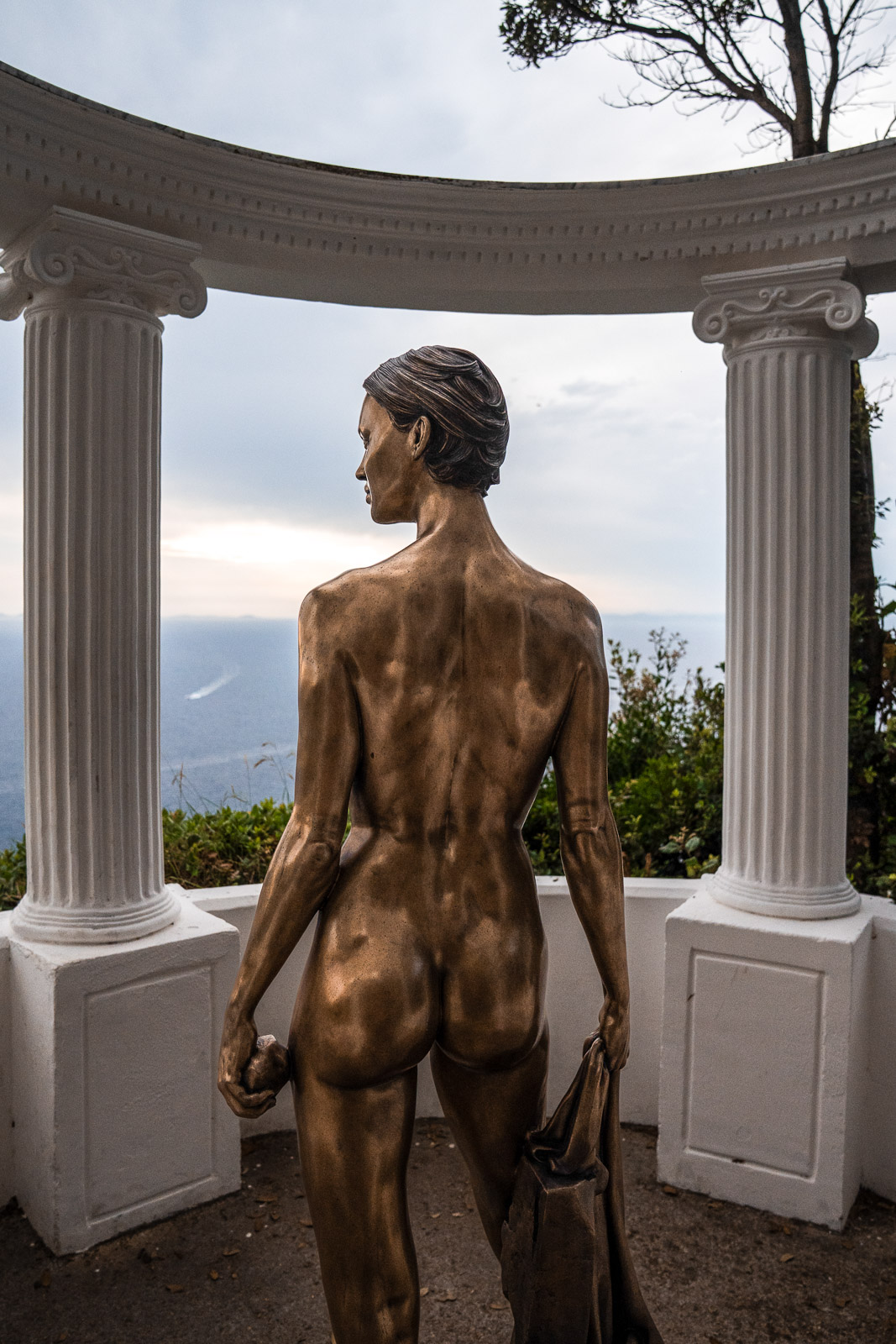
Here, in June 2026, the Jago Museum Capri has opened, a living and ever-evolving atelier-museum born from the synergy between the artist’s vision and the city of Capri, celebrating beauty as a form of cultural regeneration.

Distributed across three floors, including the Nino Cesarini Room, the refined Chinese Room, and the state room, six masterpieces harmoniously interact with the residence’s early-20th-century architecture.
Jago, the pseudonym of the artist Jacopo Cardillo, is one of the most disruptive, brilliant, and influential figures in international contemporary sculpture. A sculptor and video artist, he has revolutionized an ancient and monumental artistic language—the crafting of Carrara marble and other precious stones—merging it with social media culture and a strong social commitment.


From the celebrated Habemus Hominem (the “stripped” bust of Pope Benedict XVI, awarded at the Venice Biennale) to the touching Veiled Son in the Rione Sanità district, to the spatial feat of The First Baby, his poetics thrive on the subtle balance between the virtuosity of the great classical tradition and conceptual provocation, making him a pioneer capable of bringing great sculpture back to the center of global cultural debate.
The Secret
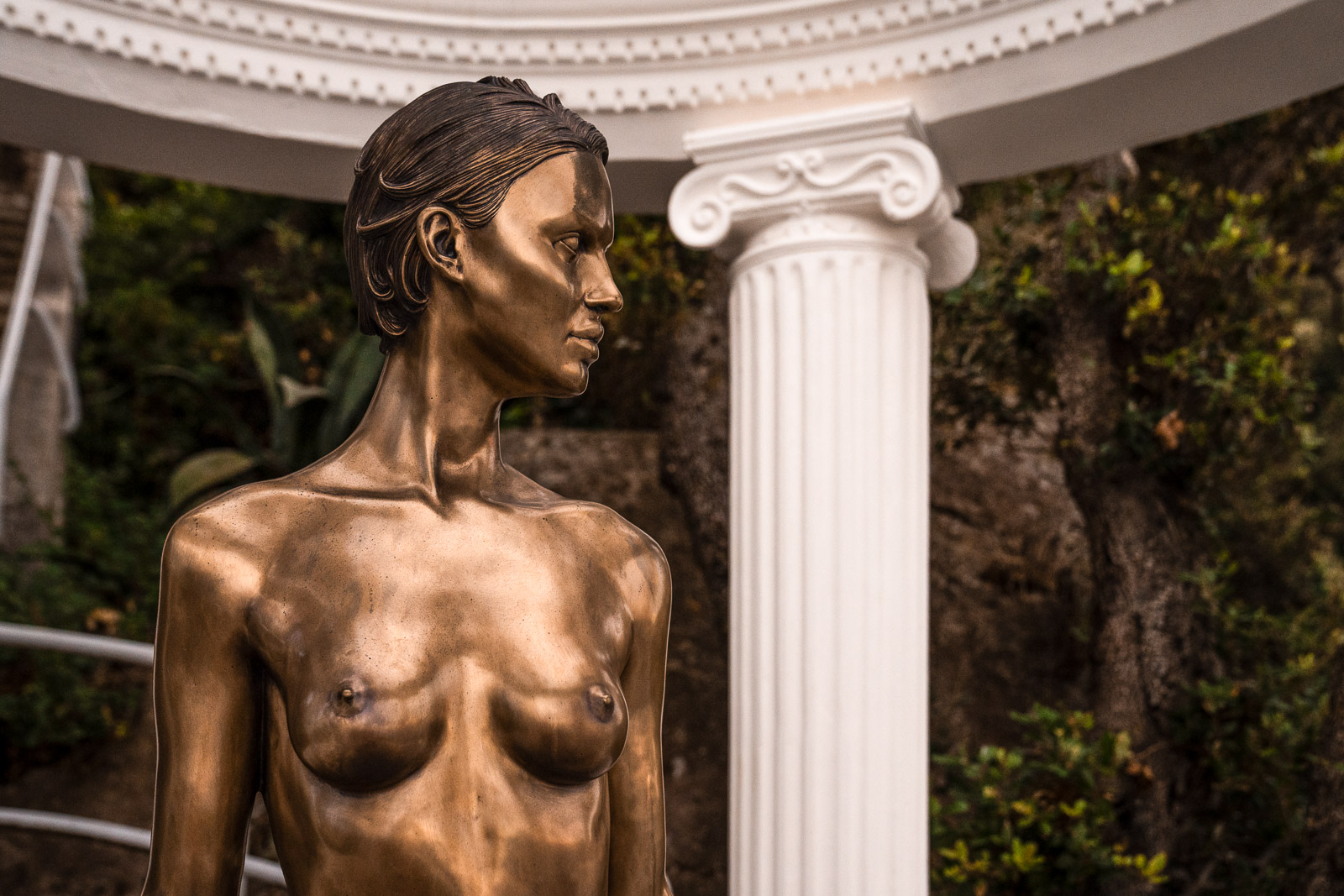
Nino Cesarini was not just a companion to Fersen, but a true living art object, the protagonist of many works, such as the bronze statue that today welcomes visitors in the Villa’s garden, commissioned from sculptor Francesco Jerace, who portrays him as a classical youth.




Jago Museum Capri
Useful Info
Villa Lysis
Via Lo Capo 12
80076 Capri
Tel. +39 081 8386111
For information and tickets: www.jago.art
The Jago Museum Capri format follows the opening hours and calendar of Villa Lysis